Translational Challenge
Motor Neuron Disease & Rare Dementias
Our vision is a world where motor neuron disease (MND) and rare dementias are treatable and preventable.
By 2050, the world’s population of people aged 60 years and older will be 2.1 billion and the number of people living with dementia is expected to triple to 150 million.
There is currently no cure for MND and very limited treatments and resources for rare dementias.
We are working to improve the quality of life for those living with MND and rare dementias by convening, collaborating and translating science into treatments and diagnostic solutions that reach patients faster.
What do we want to achieve?
- Contribute to the development of new treatments and diagnostics
- Identify those at risk of developing MND and rare dementias, detecting and diagnosing earlier
- Connect experts across MND and dementia research
- Unblock barriers that keep scientific discoveries from reaching patients
- Listen and learn from people living with MND and rare dementias
- Help people live longer with a better quality of life
Discover expert and community-driven insights
MND insights report on future treatment priorities
IThis report, from our MND Insights Group, contains the findings from workshops and a community-wide survey.
MND biomarker roadmap report
We hosted a roundtable with MND biomarker experts to tackle key challenges and explore solutions. This report shares insights to advance the field.
MND insights report on how technology could help with daily challenges
These perspectives are now being used to inform funding calls, programmes and research design, ensuring scientific progress reflects what truly matters to people with MND and their families.
The LifeArc Translational Science Summit on MND and rare dementias
Across a series of engaging sessions, we explored cutting-edge approaches to therapeutic discovery, early diagnosis, digital solutions and patient impact.

How you can work with us
We partner and invest in the work of academics, charities, healthcare professionals and industry to:
Analyse patient data to predict those at risk of developing MND
Uncover new therapies for MND, faster
Identify novel biomarkers to accelerate diagnosis and measure disease progression
Develop technology to improve the day-to-day quality of life for those living with MND
Some of our partnerships and initiatives
MND Drug Repurposing Programme: Enhancing the MND ecosystem’s approach to drug repurposing
We’re funding high-quality preclinical studies and building a collaborative network to improve drug repurposing and trial readiness in motor neuron disease (MND).

UK DRI: A £30 million partnership for the development of new dementia treatments
Our partnership with the UK Dementia Research Institute (UK DRI) aims to accelerate the development of new diagnostic tests, treatments, and devices for people with dementia.

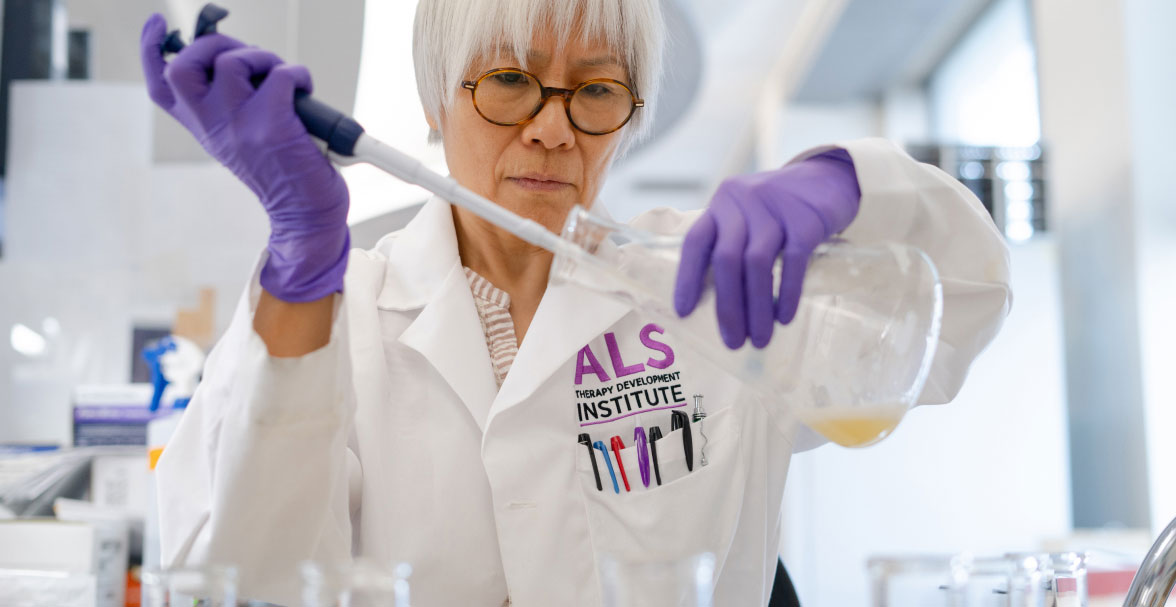
Advancing ALS/MND prognosis, monitoring, and drug development
We are collaborating with the ALS Therapy Development Institute (ALS TDI) to identify and validate biomarkers for ALS/MND.
The MND Insights Group and community surveys
Uncovering the most important research questions and urgently address the needs of MND research, working with real experts who live with the condition.

Learn more about our work in rare dementia and other neurodegenerative conditions
Who to contact
-
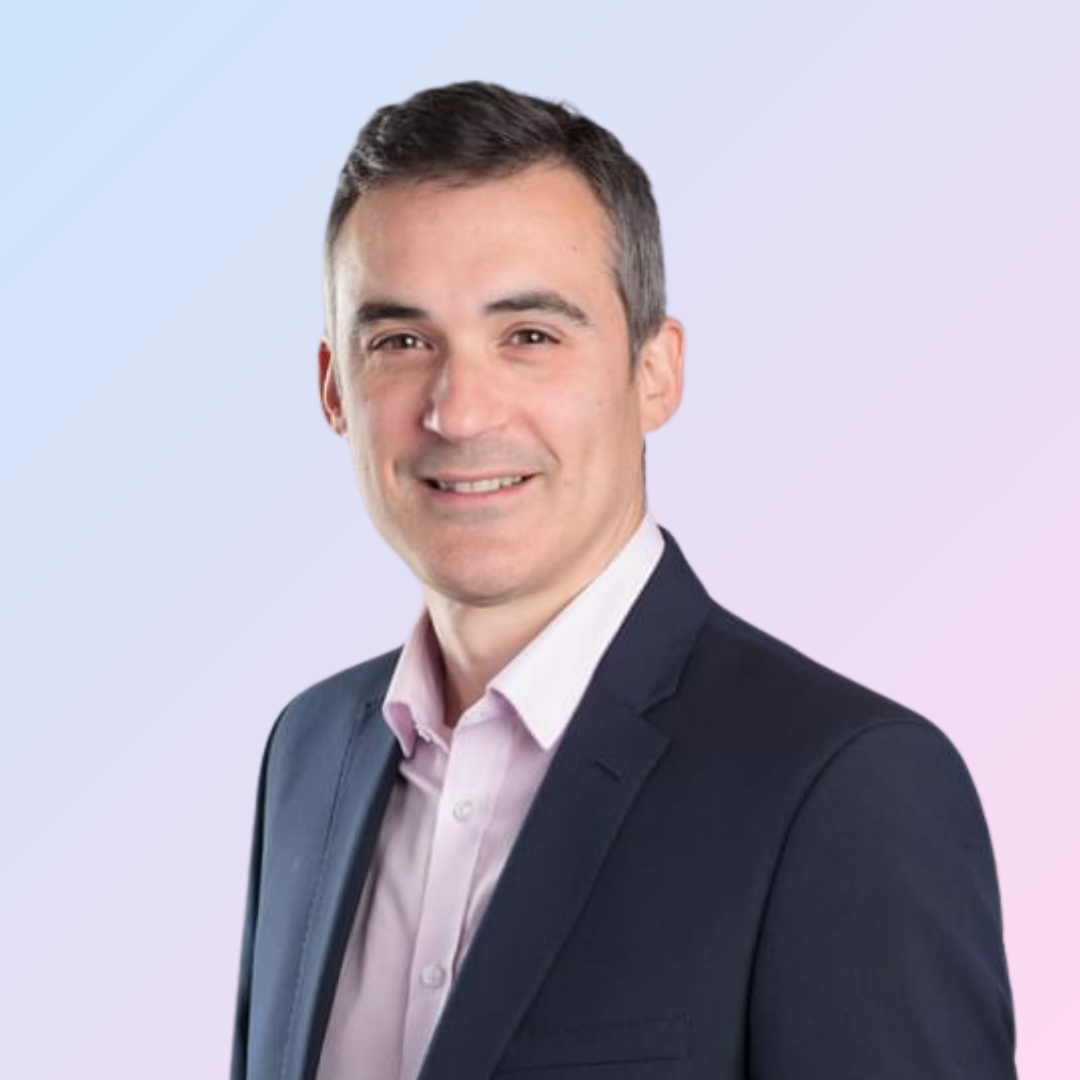
Paul Wright
Read bio: Paul Wright
-
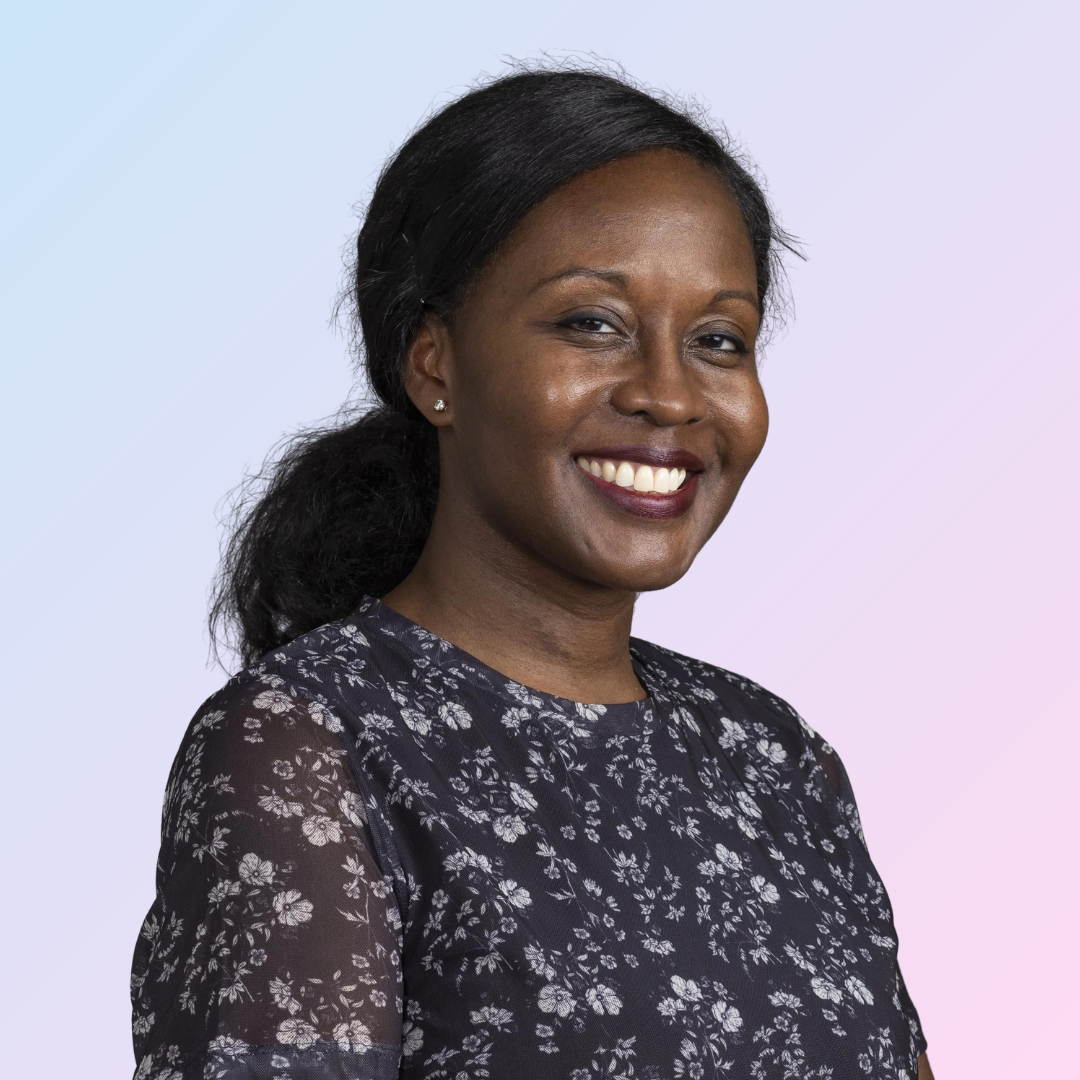
Yaa Adjei
Read bio: Yaa Adjei
-

Roger Barker
Read bio: Roger Barker
-

Derek Sheader
Read bio: Derek Sheader
Related stories
-
 Blogs
BlogsThe future of brain health: Early detection, equity and systematic change
-
 News releases
Could a nasal insulin spray improve the lives of children and young people living with a rare condition?
-
 News releases
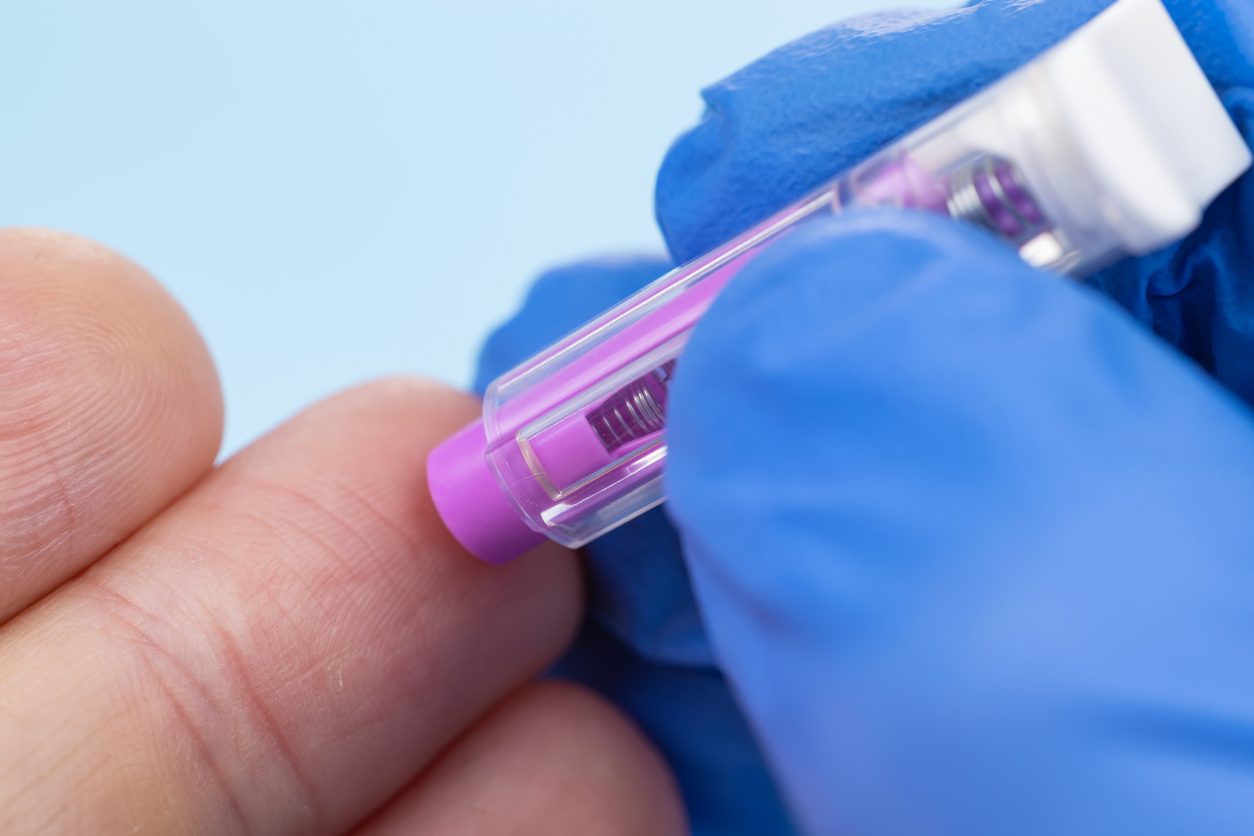
Scientists test whether a finger prick blood test could be used to help diagnose Alzheimer’s disease before symptoms begin
See our other Translational Challenges
Chronic & Rare Respiratory Disease
Our vision is improved quality of life for those living with cystic fibrosis and bronchiectasis.
Global Health
Our vision is a world with affordable and accessible solutions to better understand, treat, and prevent infectious diseases.

Rare Disease
Our vision is an ecosystem working together to get discoveries and treatments to rare disease patients faster.
Childhood Cancer
Our vision is to drive life-changing innovations for children with cancer.
Contact us
In submitting your personal data via this form, you consent to being contacted via the details provided so that your enquiry can be responded to. If you would like your data to be removed, please email info@lifearc.org.
Please see our Privacy Policy in relation to the personal data you submit to us through this page.
This site is protected by reCAPTCHA and the Google privacy policy and terms apply.