Antimicrobial resistance (AMR) is often called the silent pandemic but for those of us working in this space, we are all too aware that millions of lives are already being lost and that the numbers continue to rise.
This week, the WHO released a stark insight into the scale of the crisis: in 2023, 1 in 6 laboratory-confirmed bacterial infections globally were resistant to antibiotics. For infections like UTIs, it was 1 in 3. The report also highlights the growing threat of Gram-negative bacteria and the disproportionate impact on low-resource settings.
The take home is clear. Our work has never been more important. We must accelerate and expand our efforts to reverse this trend.
We know tackling AMR is complex; it demands coordinated action and partnership across sectors, geographies, and disciplines. Global solutions must be grounded in local realities, taking into account variations in resistance, healthcare infrastructure, and cultural contexts.
We also need to strengthen global research capacity and build a resilient AMR R&D pipeline, from proof-of-concept to clinical trials, for both diagnostics and therapeutics. And we must equip healthcare professionals with the tools and data they need to make informed decisions around antimicrobial stewardship.
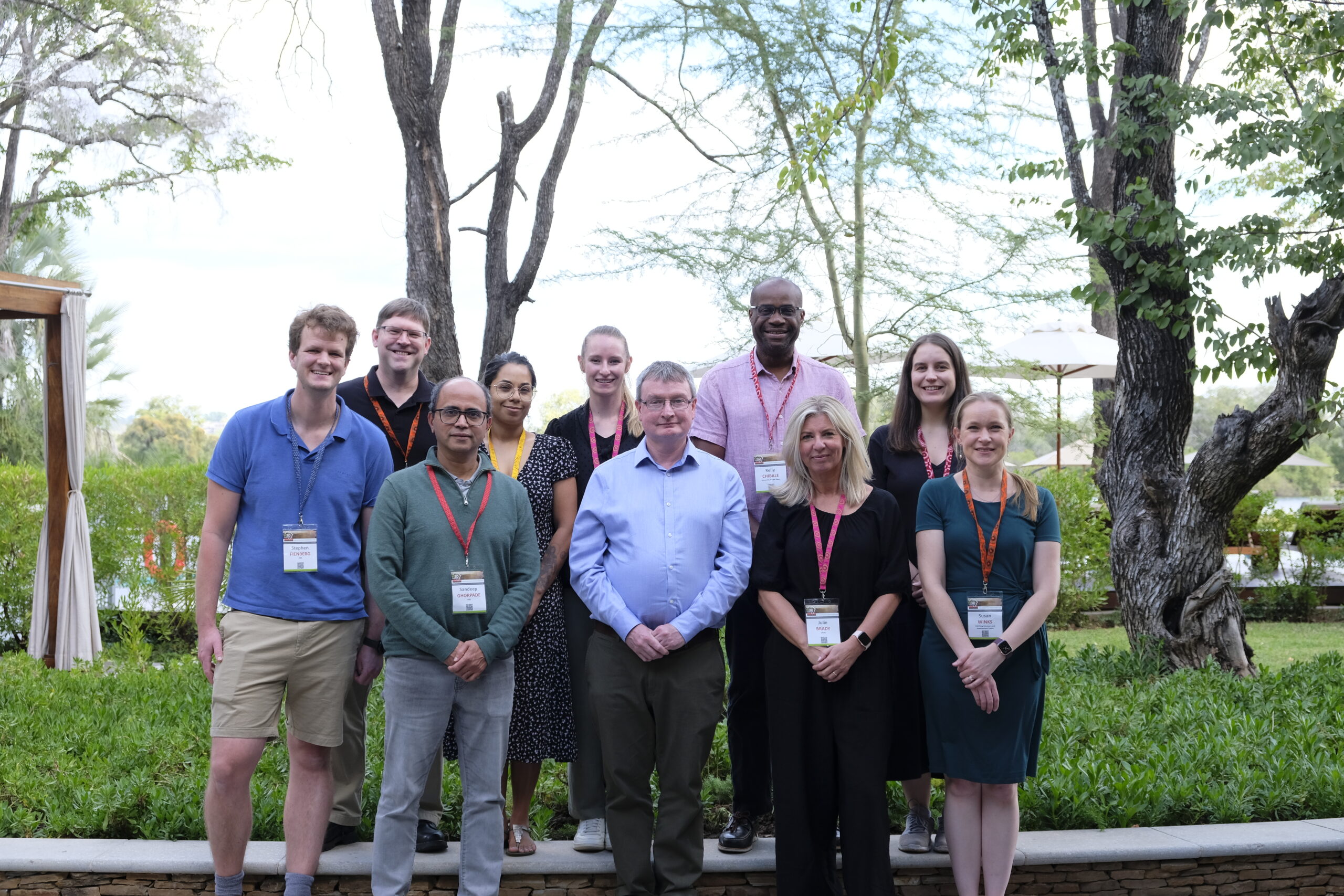
Events like GAMRIC, which we co-sponsored and hosted in early October, are one way forward, connecting innovators from around the world who work on all aspects of the R&D pipeline. But from these important conversations, we must take action.
At LifeArc, we’re committed to catalysing partnerships that will help prevent and control drug-resistant infections in the most impacted global communities.
Our work includes:
- Fleming Initiative: co-founders of this collaborative programme, bringing biomedical science closer to behavioural and social sciences, policymakers and the public
- PACE: advancing new diagnostics and therapeutics
- ASPIRE, with ReAct Africa: supporting better antimicrobial stewardship
- DOSA2: driving low-cost diagnostics in India
- Centre for Translational AMR Research, with H3D in Cape Town: developing treatments for multi-drug-resistant infections and strengthening local capacity
- CF AMR Syndicate: exploring AMR in cystic fibrosis
The threat is escalating, and the consequences of failing to act are profound, but if we work together, we can get ahead of resistance and make a real difference to millions of lives around the world.
About the author
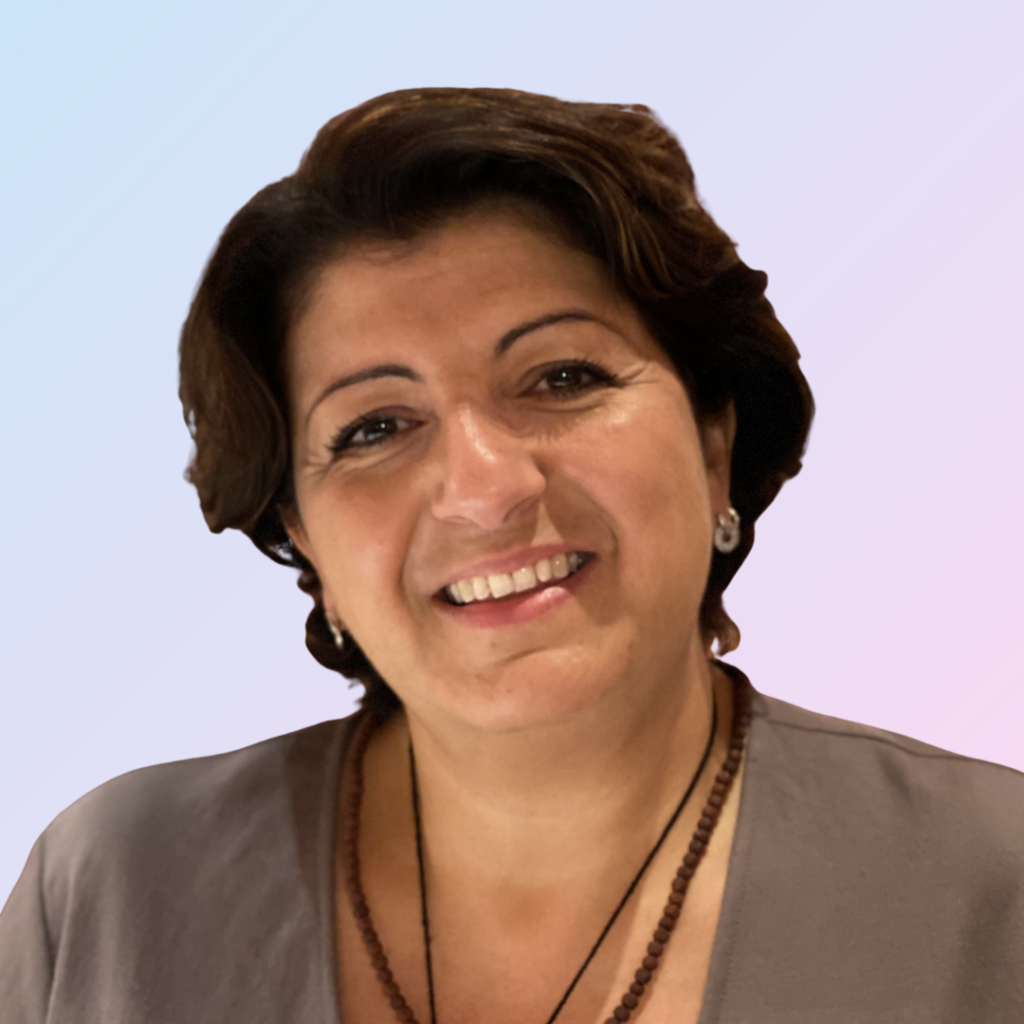
Ghada Zoubiane
Head of Global Health