Nasal insulin trial: exploring a new treatment option for Phelan-McDermid Syndrome
We’re funding a major clinical trial to discover whether a simple nasal insulin spray could improve daily life for children and young people living with Phelan-McDermid Syndrome.
Overview
We are funding a new multi-million-pound clinical trial led by Professor André Strydom at King’s College London to explore whether nasal insulin could improve brain function and quality of life for children and young people with Phelan-McDermid Syndrome. The study has been co-designed with families to ensure it focuses on the symptoms that most affect daily life.
About the nasal insulin trial
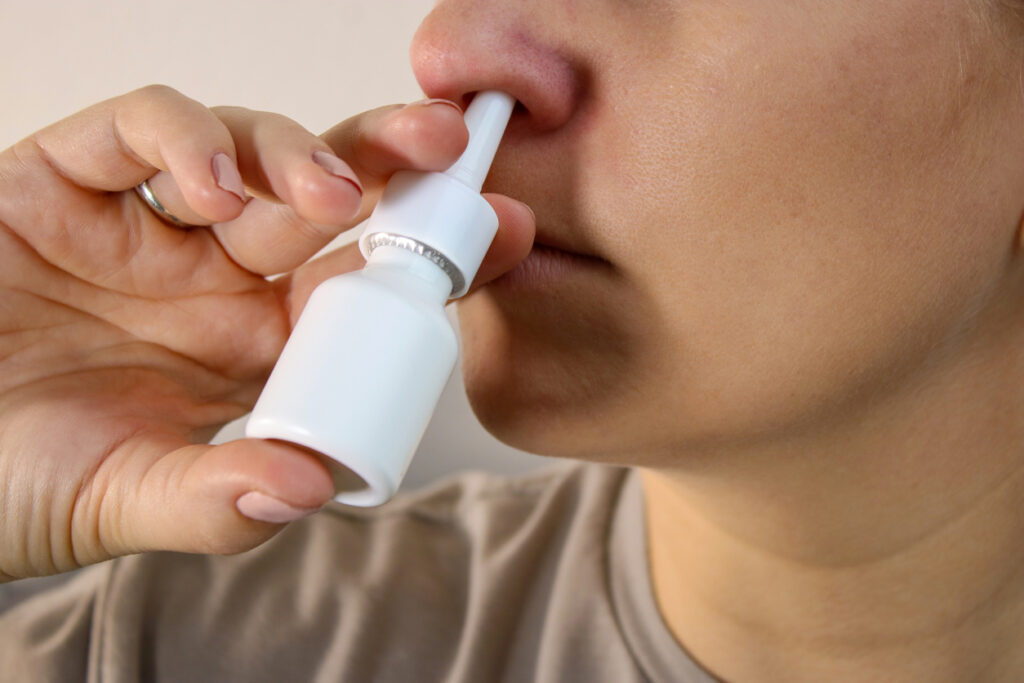
This innovative trial will test whether insulin delivered intranasally can positively influence nerve activity and cognitive function in people with Phelan-McDermid Syndrome. Insulin receptors are found not just in the body but in the brain, and early research from other countries suggests that nasal delivery may help insulin reach the brain without affecting glucose levels.
Nasal insulin treatments have already been approved for use in Germany and the Netherlands and, if this UK trial is successful, the goal is to make the therapy available on the NHS.
The trial aims to recruit around 100 children and young people aged between 3 and 18 and will start in early 2027. It has been developed in close partnership with parents, who helped identify the symptoms that would have the greatest impact if improved.
About Phelan-McDermid Syndrome
Phelan-McDermid Syndrome is a rare genetic condition caused by changes in the SHANK3 gene, which plays a key role in nerve function. Because of this, people with the condition experience a wide range of challenges affecting movement, speech, learning, sleep, digestion and mood.
There are currently very few effective treatment options for conditions like this that affect brain development. Most rare conditions still lack approved therapies, leaving families with limited support and uncertain futures. Innovative clinical research and drug repurposing trials offer a promising route to finding solutions more quickly.