D-SCAPE: A wearable device to spot the early signs of life-threatening severe dengue
We’re supporting Imperial College London and the Oxford University Clinical Research Unit in Vietnam to develop D-SCAPE, a low-cost wearable device that uses deep learning algorithms to detect early signs of severe dengue. This technology could help clinicians make timely decisions and reduce reliance on invasive tests.

Overview
Dengue often presents as a mild fever that improves on its own, but up to 5% of cases progress to severe dengue, which can be fatal without immediate intensive care support.
The deterioration from mild to severe dengue is unpredictable; identifying severe cases early can have a big impact on survival. Current monitoring relies on frequent blood tests, which can be time consuming and impractical in busy or resource-limited settings.
D-SCAPE (Dengue Shock and Classification Prediction Wearable) offers a practical and scalable solution to this challenge. The device uses advanced sensors and artificial intelligence to monitor vital signs non-invasively, helping clinicians make faster, more informed decisions.
Our investment will support the optimisation and development of second-and third-generation prototypes, validating their use in the clinic. A health economic study to show the true value of the innovation will support its future commercialisation and implementation.
The goal is to make advanced monitoring for severe dengue more accessible, especially in the low-resource settings where it’s needed most.
About the D-SCAPE device
The wearable device uses finger and wrist sensors, combined with deep learning algorithms, to monitor vital signs such as blood pressure, blood oxygen levels, and haematocrit (the proportion of red blood cells in the blood). These indicators can help to identify plasma leak syndrome, which occurs in severe dengue and can be life-threatening. There are currently no effective therapeutics available, meaning that the only available treatment option for severe disease is fluid management.
The device offers a non-invasive alternative to blood tests, and this project will support development and testing of the device in Vietnam. Researchers will monitor 25 dengue patients to gather data and feedback on usability, which will help refine the technology and the development of a completely wireless prototype device.
The wireless version will then undergo clinical validation in a cohort of 100 dengue patients, conducted across both intensive care units and general wards to capture the full spectrum of disease severity.
The final version of the device will be reusable and is expected to cost under $500, making it significantly more affordable than comparable technologies. It could also be adapted to detect other life-threatening conditions.
About dengue
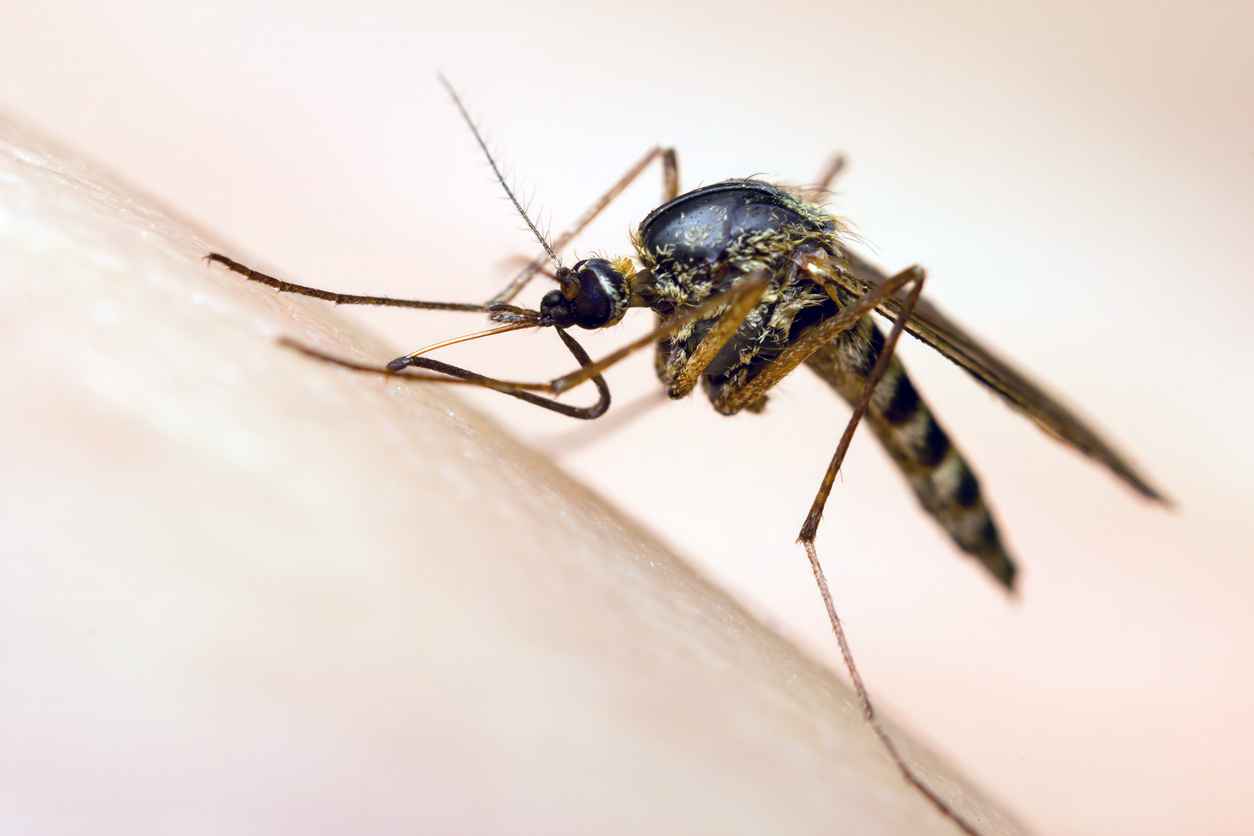
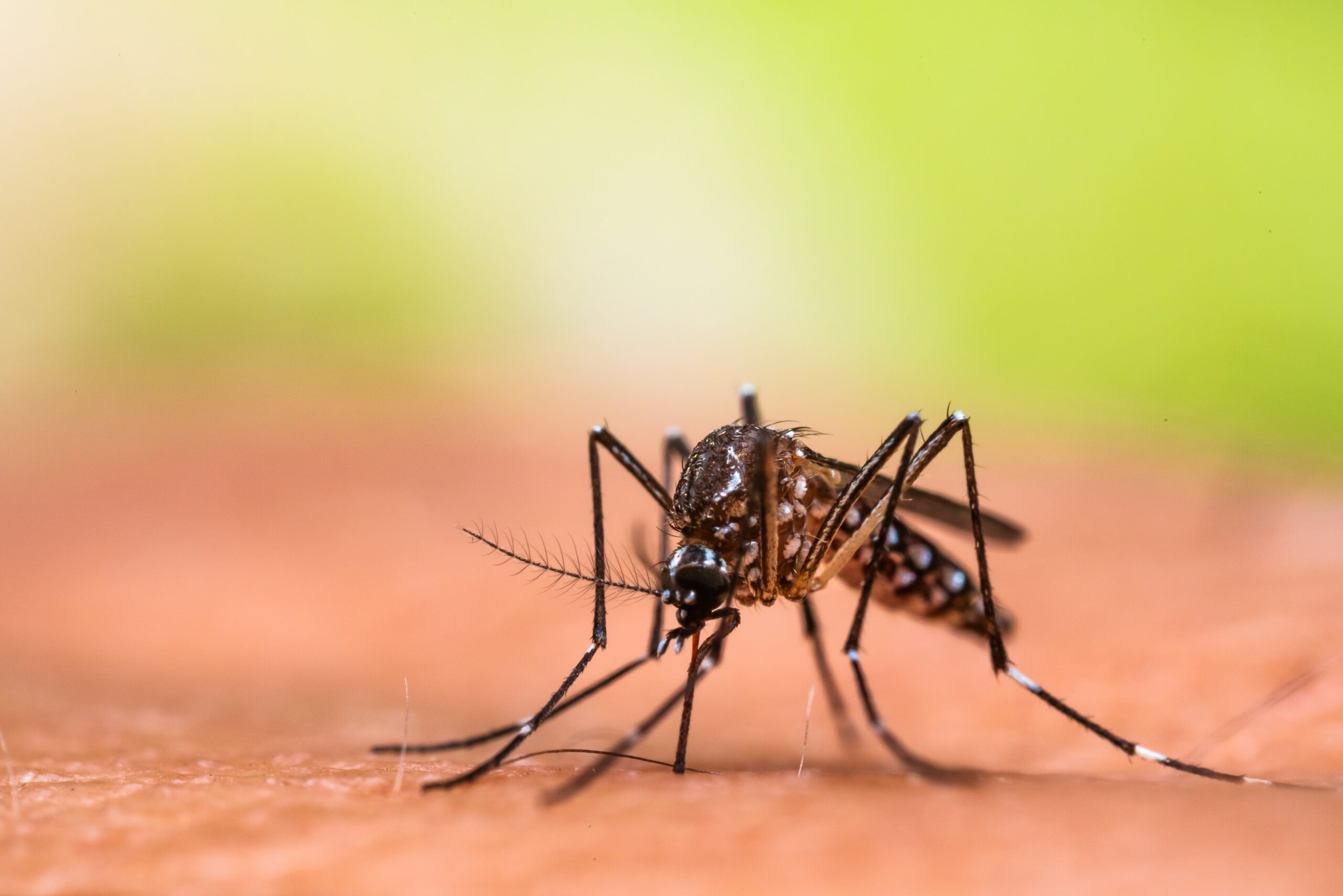
Dengue is a viral infection spread by infected mosquitoes, affecting up to 400 million people each year. While most cases are mild, around 5% can become life-threatening, with over 9,500 deaths reported in 2024.
Currently, about half of the world’s population – 4 billion people – are at risk and the disease is endemic in many parts of the Americas, Africa, Asia and the Pacific Islands. Vietnam has seen an outbreak of the disease this year with a significant increase in severe cases reported.
Contact us
In submitting your personal data via this form, you consent to being contacted via the details provided so that your enquiry can be responded to. If you would like your data to be removed, please email dataprivacy@lifearc.org.
Please see our Privacy Policy in relation to the personal data you submit to us through this page.
This site is protected by reCAPTCHA and the Google privacy policy and terms apply.