ART-EB: An innovative drug repurposing trial to find treatments for a rare skin disorder
We’ve partnered with DEBRA UK to explore whether a multi-stage, multi-million-pound, drug repurposing trial could help uncover new treatments for the rare skin condition, epidermolysis bullosa (EB).
Overview
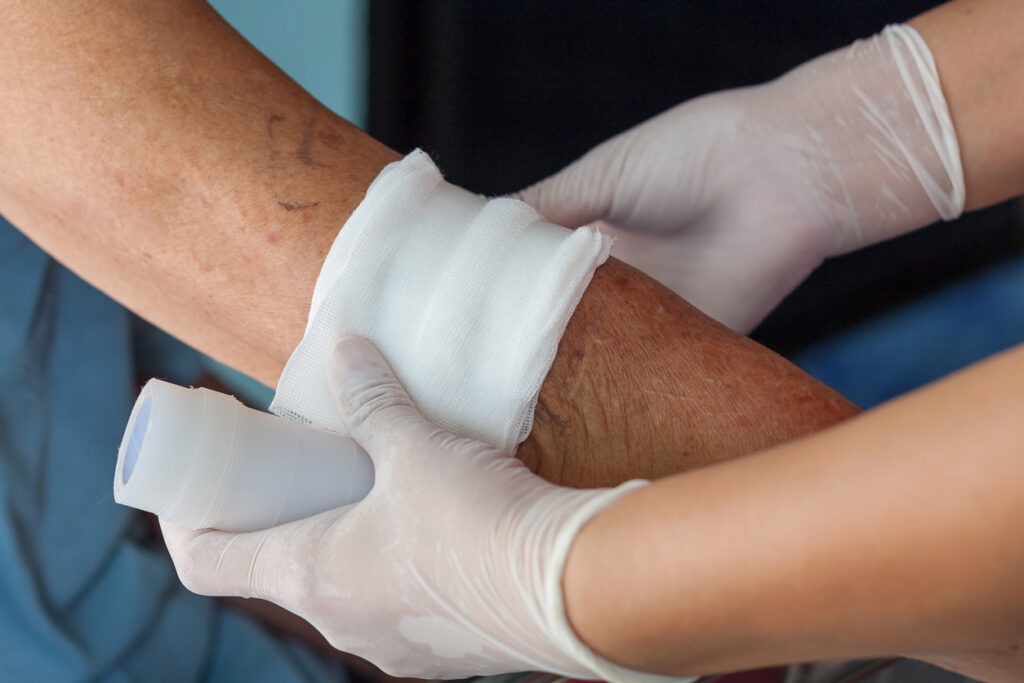
Epidermolysis bullosa (EB), also known as ‘butterfly skin’, is a group of rare genetic skin conditions that cause the skin to blister and tear at the slightest touch. With no cure and limited treatment options, the ART-EB trial (Advancing Repurposed Therapeutics for EB) aims to speed up access to treatments for all forms of EB.
Over five years, this clinical trial will explore whether drugs already approved for conditions like psoriasis and eczema could also treat EB by targeting the immune signals believed to be involved in the condition.
About the ART-EB trial
ART-EB has a multi-stage, multi-arm design that enables several drugs to be tested at the same time and two different phases of the trial to be completed within the same study.
Because the drugs used in the study are already approved for use in other conditions and have a demonstrated safety profile, the trial can start at Phase 2.
Here’s how it works
- recruited patients will be matched to one of up to 3 repurposed drugs based on the results of a skin biopsy, which will be test for different molecules involved in inflammation
- the trial will then test which of the drugs are effective at reducing inflammation and improving skin health
- any treatments which aren’t effective will be dropped from the trial and replaced with a new drug, while promising treatments move on to the next stage (Phase 3) to be tested in more people and confirm the benefits
The trial aims to accelerate access to treatments across all forms of the condition, reduce the costs and risks involved in bringing new treatments to market, and provide a blueprint for future drug repurposing trials in EB.
This project will be led by Dr Su Lwin at Guy’s and St Thomas’ NHS Foundation Trust (GSTT) and King’s College London (KCL).
| Timelines | Date |
|---|---|
| Project start | November 2025 |
| Patient recruitment: once drugs being tested are ready | Anticipated early 2027 |
About epidermolysis bullosa (EB)
Epidermolysis bullosa (EB) is a group of rare genetic conditions causing extremely fragile skin that blisters and tears easily. It impacts at least 5,000 people in the UK and 500,000 worldwide.
With over 30 known subtypes, EB is classified based on the specific layers of skin impacted and the underlying genetic mutations. The fragility of the skin and chronic blistering can be localised to the hands or feet, or occur across the entire body. In more severe subtypes, the mucosal linings of the nose, eyes, mouth, lungs, oesophagus and stomach are also affected.
EB has far reaching impacts on quality of life, from avoiding simple gestures of affection, to enduring daily pain and itching, sleepless nights, and spending hours each day changing wound dressings. Chronic skin blistering and impaired wound healing can also lead to an increased risk of squamous cell carcinoma (SCC), a type of skin cancer.
There are currently no cures for EB and more treatment options are urgently needed to improve the quality of life of people living with EB.
Contact us
In submitting your personal data via this form, you consent to being contacted via the details provided so that your enquiry can be responded to. If you would like your data to be removed, please email dataprivacy@lifearc.org.
Please see our Privacy Policy in relation to the personal data you submit to us through this page.