18-24 November is World AMR Awareness Week, a global campaign to raise awareness of antimicrobial resistance (AMR). The theme for 2026 is ‘One Health, One Action: Prevent AMR Now’, calling on everyone to do their part. Throughout the week, we will be highlighting how LifeArc has played our part in addressing this complex global health challenge.
Imagine a doctor in a rural clinic with limited resources, trying to decide whether to prescribe antibiotics to a patient, and whether any are left in their cupboard. Now imagine another doctor working at a hospital with access to advanced diagnostics and a range of antibiotics to choose from, making a similar decision. How different are the realities they face?
While drug-resistant infections can potentially affect everyone, the impact is not felt equally across the world. Health systems, infrastructure, workforce capacity, and disease burden vary enormously between and within countries. Healthcare professionals need to have access to diagnostics, therapeutics, surveillance data, and implementation support, to make informed treatment decisions and improve how antibiotics are used. AMR is fundamentally a systems challenge, which is why innovative treatments and new technologies must be developed with real-world needs in mind – accessible, affordable and practical – to deliver impact in the settings where they matter the most.
Tackling drug-resistant infections at the local level
Building research capacity and working alongside communities are essential to developing effective and sustainable AMR solutions. This is especially important in resource-constrained settings, which bear a disproportionate burden of AMR. Local expertise should help shape priorities from the outset, not simply validate decisions already made, ensuring solutions address local needs and can be sustained over time.
Together with the University of Cape Town’s Holistic Drug Discovery and Development (H3D) Centre, LifeArc has established the Centre for Translational Antimicrobial Resistance Research (CTAR), backed by a £5 million commitment. The centre aims to accelerate drug discovery by strengthening research capacity in Africa, a region that bears the highest burden of AMR. Its initial focus is the development of new first-in-class treatments for infections caused by multi-drug-resistant Gram-negative bacteria, including Klebsiella pneumoniae and Acinetobacter baumannii. These pathogens are responsible for both community and hospital-acquired infections particularly among people with weakened immune systems and are classified as a “critical” priority group in the 2024 WHO Bacterial Priority Pathogens List1.
In many low-resource settings, clinicians frequently have to make treatment decisions without access to timely diagnostics. Better diagnostics would improve treatment accuracy and help to optimise antimicrobial use. However, new technologies must also be practical, affordable and accessible in these settings, where they are intended to be used. Impact depends on more than the technology itself. Financing, health system readiness, workforce capacity and community trust all influence whether innovations translate into better health outcomes.
DOSA2, a collaborative initiative between UK and India, is developing a low-cost, paper-based test strip that can detect urinary tract infections (UTIs) within minutes, at home. UTIs are the second most common reason for antibiotic use globally, and inappropriate use of these medicines is part of the growing AMR crisis. The programme team works with healthcare workers, community health volunteers and policymakers in India to understand behaviours and barriers to appropriate antibiotics use. This is particularly important in communities where stigma surrounding UTIs can delay diagnosis and treatment. By combining technological innovation with community engagement, DOSA2 could provide a model for other low resource settings, improving health outcomes and creating sustainable practices in antibiotic use in community settings.
Watch Till Bachmann, who leads the DOSA project team, explain what DOSA means to him:
Strengthening antimicrobial stewardship
Stewardship, a coordinated approach to promoting and monitoring the appropriate use of antimicrobials, is essential to preserving the effectiveness of both existing and future antimicrobial treatments. As new antibiotics are increasingly reserved for the patients who need them most, stewardship must be supported by financing and access models that reward innovation while ensuring equitable availability.
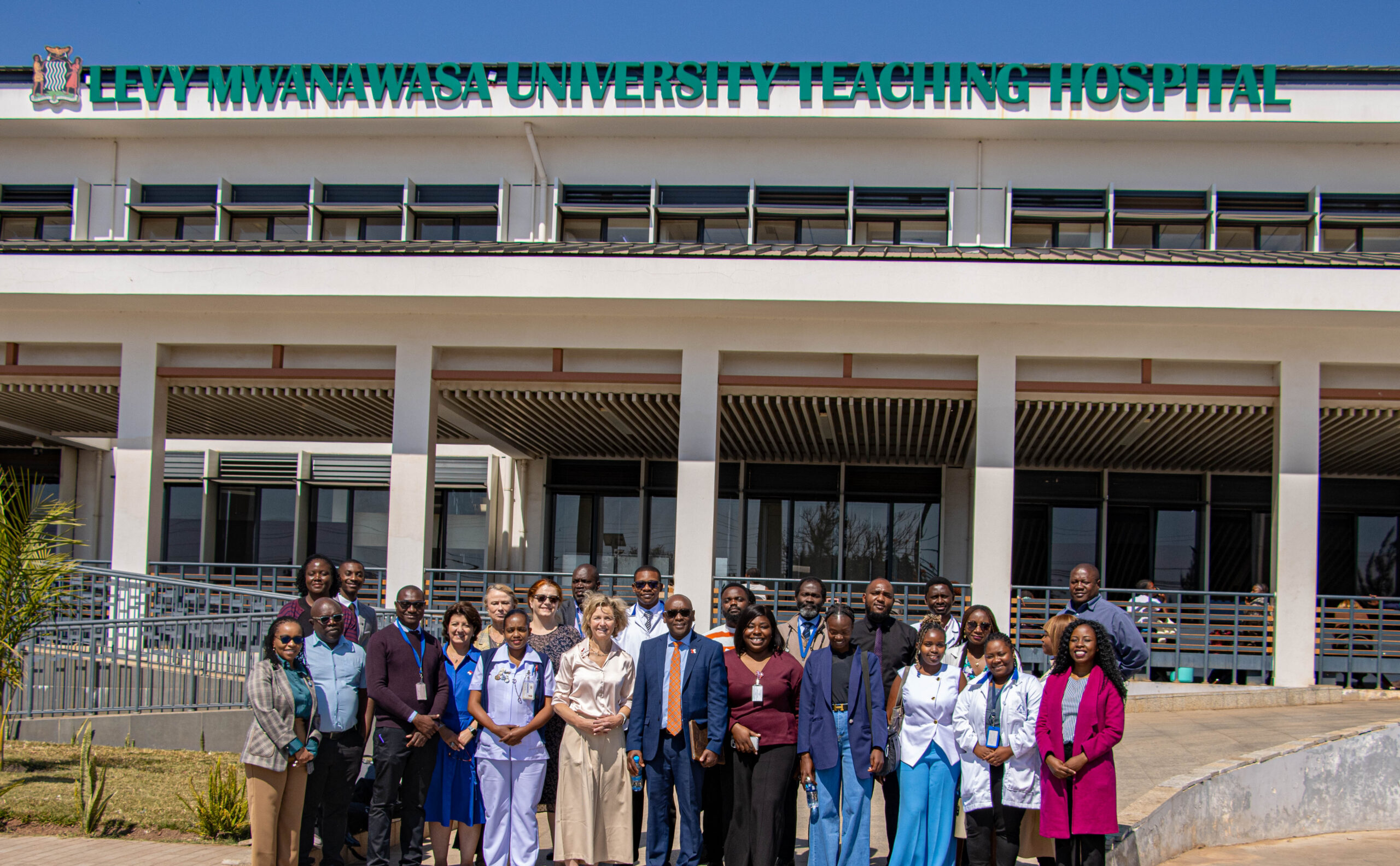
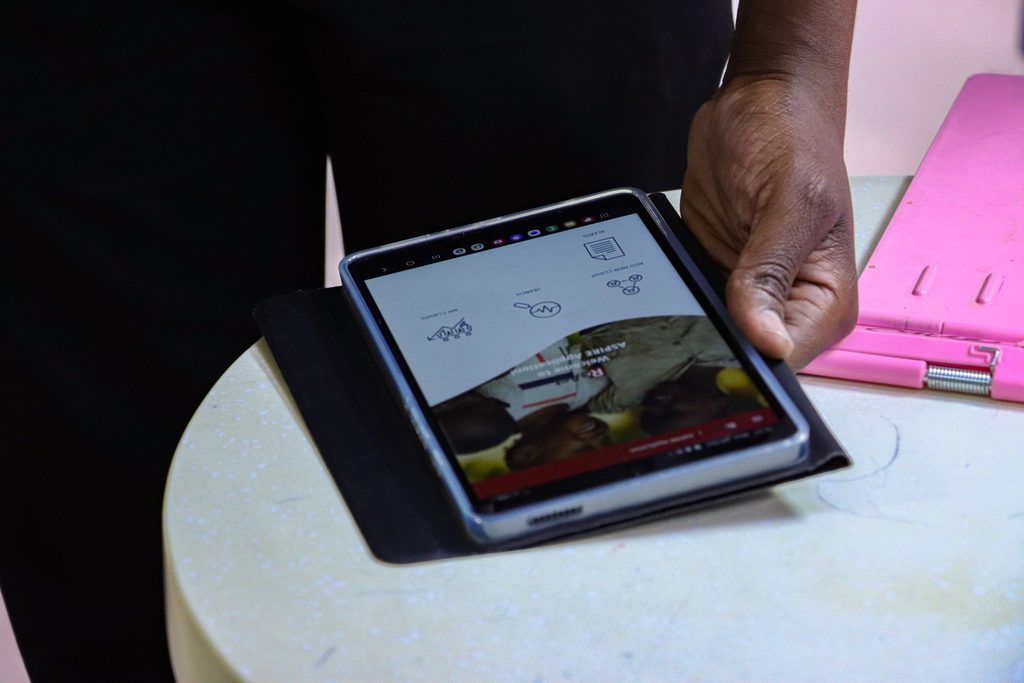
ASPIRE (Antibiotic Stewardship Programme through Innovation, Research and Education) is a US$1.5 million, three-year programme coordinated by LifeArc and ReAct (Action on Antibiotic Resistance) Africa. The programme aims to implement digital clinical decision-support tools to strengthen antimicrobial stewardship in hospitals across Zambia and Kenya. During a recent visit to a hospital in Zambia, LifeArc’s Global Health Infection team saw how ASPIRE’s digital support tools, including a WhatsApp chatbot, are helping clinical teams make evidence-based antibiotic decisions in daily care.
Beyond implementing stewardship tools, ASPIRE is generating locally relevant evidence through health economics analyses that quantify the impact and cost of current prescribing practices in participating healthcare facilities. These insights help ensure stewardship approaches respond to local healthcare priorities and resource constraints and are practical, scalable and sustainable. The programme’s ultimate goal is to create a replicable model of antibiotic stewardship that can be adapted across settings.
Solutions addressing AMR are at their most effective when they are designed around the people, communities and health systems they intend to serve. Whether the work involves strengthening local research capacity through initiatives such as CTAR, developing community-informed diagnostics through DOSA2, or supporting evidence-based prescribing through ASPIRE, lasting impact comes from solutions that are locally relevant, sustainable and capable of improving patient outcomes. By connecting scientific innovation with the realities of healthcare delivery, we can help close the gap between scientific promise and patient impact in AMR.
Media contact
Hannah Perlin
Senior Manager, PR & Media