Over the last decade, advances in treatments have transformed outcomes for many people living with cystic fibrosis (CF). But significant challenges remain, including chronic lung infections and exacerbations.
The Translational Innovation Hub Network for Lung Health and Infection in Cystic Fibrosis, known as the CF Lung Health Network for short, brings together researchers, clinicians and people with lived experience from across the UK to tackle some of these challenges. Supported by LifeArc and Cystic Fibrosis Trust, the network is not only advancing new tests, treatments and technologies, but also helping to train and support the next generation of CF researchers.
For early career researchers, CF is a field where science, medicine and patient impact come together in a uniquely powerful way. Many of our researchers are drawn to the complexity of the condition and the unanswered questions it presents.
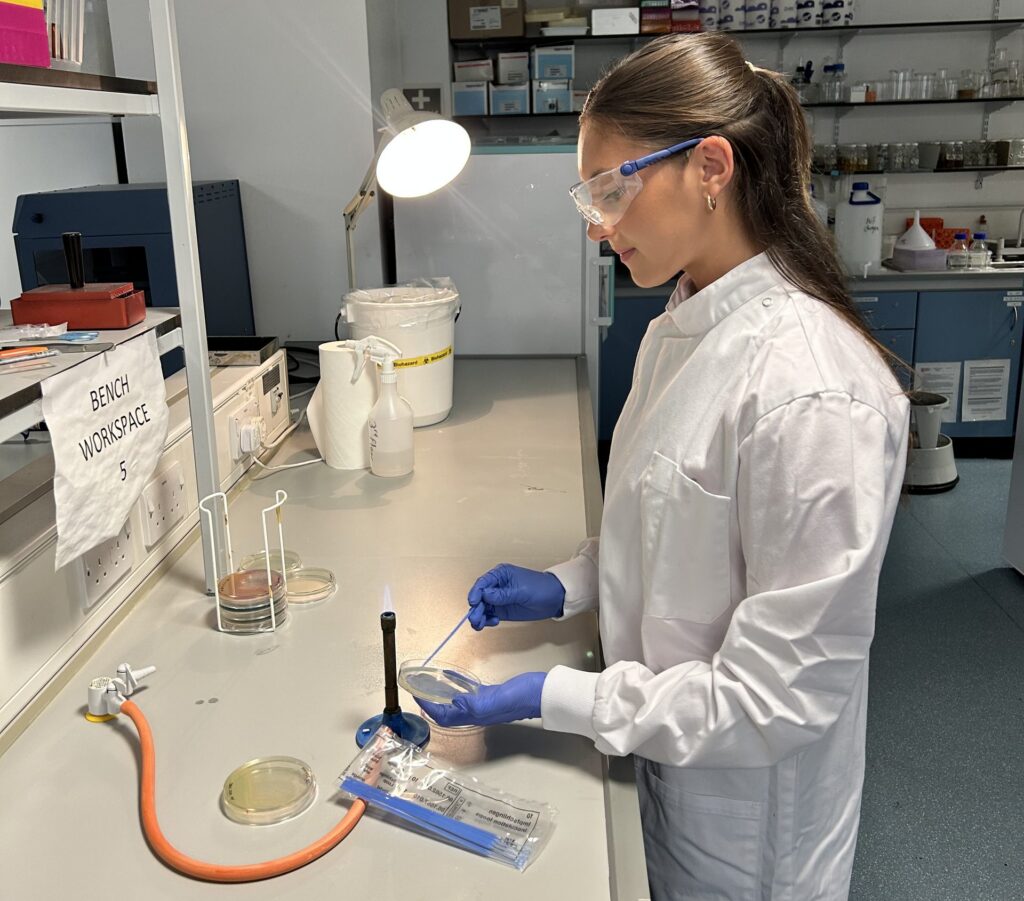
“I was interested in CF research because it’s an area where advances in science can have a direct impact on people’s lives. The combination of microbiology, molecular diagnostics and translational research makes this a really exciting field to work in.”
Cliona Hanna, PhD student within the Pulse-CF Innovation Hub
But what keeps researchers in the field is often people living with CF.
The role that they play in shaping and inspiring research is vital, and the close partnership between researchers and patients is one of the defining features of the field.
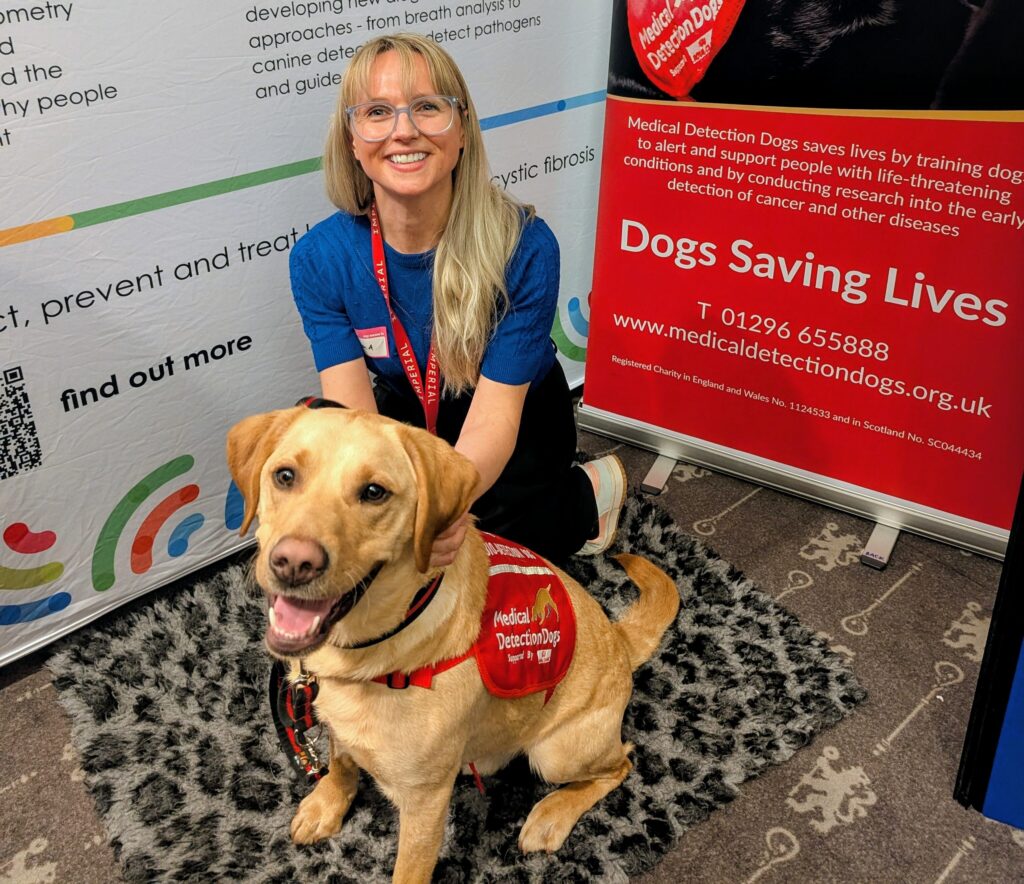
“I want to help in making the lives of people with CF that little bit easier; whether that is through treatment burden reduction, fewer hospital/ clinic visits, and ultimately better health so they can do all the things they want to do without CF limiting them!”
Gemma Wilson, PhD student within the Precision-CF Innovation Hub
People with CF and their loved ones are helping to shape research priorities, contributing to studies and sharing their experiences to ensure research remains focused on what matters most.
For researchers entering the field, this connection creates a powerful sense of purpose and a constant reminder of why the research matters – making everyday life easier for people living with CF.

“People are willing to give their time, provide samples and take part in studies that may not benefit them personally, but could benefit people with CF in the future. I find it incredibly generous and motivating, and it gives a real sense of purpose to the work.”
Dr Sharon Weinberg, Pulse-CF PhD student and Clinical Research Fellow
Collaboration between researchers is also key.
The CF Lung Health Network was created to bring together expertise from different disciplines, institutions and regions. For early career researchers, this creates opportunities to build relationships, gain new perspectives and see how their work contributes to a larger research ecosystem.
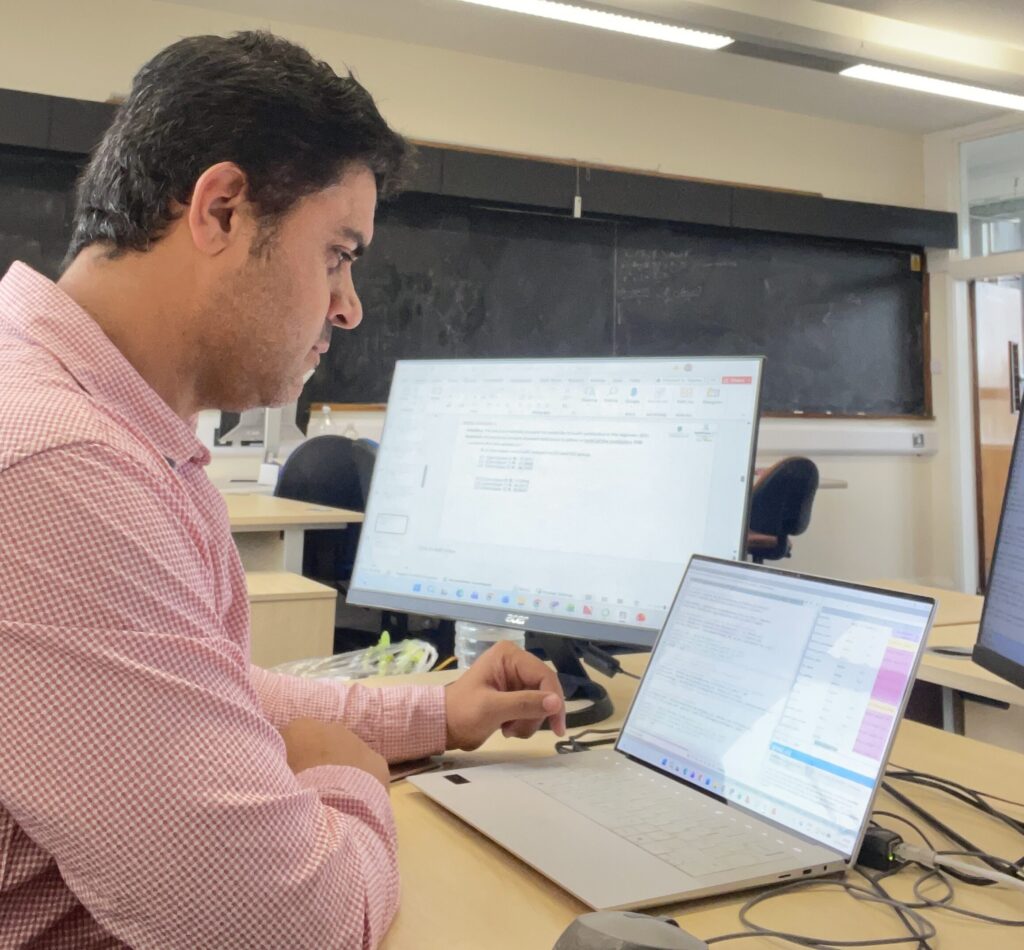
“The CF community is an exceptionally collaborative network of patients, clinicians, professors and researchers working toward a common goal.”
Shahi Dost, Post-doctoral Research Associate within the Trailfinder-CF Innovation Hub
The CF Lung Health Network exists not only to advance research, but also to support the researchers themselves who will drive future breakthroughs. By connecting individuals from different research backgrounds, with varied specialisms and interests, the Network supports an environment where ideas, expertise and opportunities can be shared.
This collaborative approach helps researchers see how their work fits into the overall mission of improving lung health and transforming outcomes for people with CF.
The combination of scientific challenge, patient partnership and collective ambition is what makes this research field so rewarding.
More information about the Lung Health Network
The collaborative network of Translational Innovation Hubs aims to address key challenges around managing lung health and infection in cystic fibrosis, funded by LifeArc and Cystic Fibrosis Trust.
The network is made up of four Innovation Hubs:
Flare-CF Innovation Hub, University of Cambridge
Aims to develop predictive tools which can identify early indicators of exacerbations and help choose the best combination of antibiotics for each CF individual, to better personalise treatments and improve their effectiveness.
Precision-CF Innovation Hub, Imperial College London
Aims to improve the detection, diagnosis and treatment plans of lung infections in people with CF. They will do this by better understanding the relationships between co-infecting organisms in the lung and their impacts on the host, as well as exploring the development of new, acceptable tests for CF lung infections using a range of sample types.
Pulse-CF Innovation Hub, University of Manchester
Aims to better understand the causes and triggers of exacerbations, and why people respond differently to treatment, in the hopes of improving how these flare-ups are prevented and managed for each person with CF.
Trailfinder-CF Innovation Hub, University of Liverpool
Aims to develop new and more tailored treatment approaches for CF lung infections, by developing phage therapy.