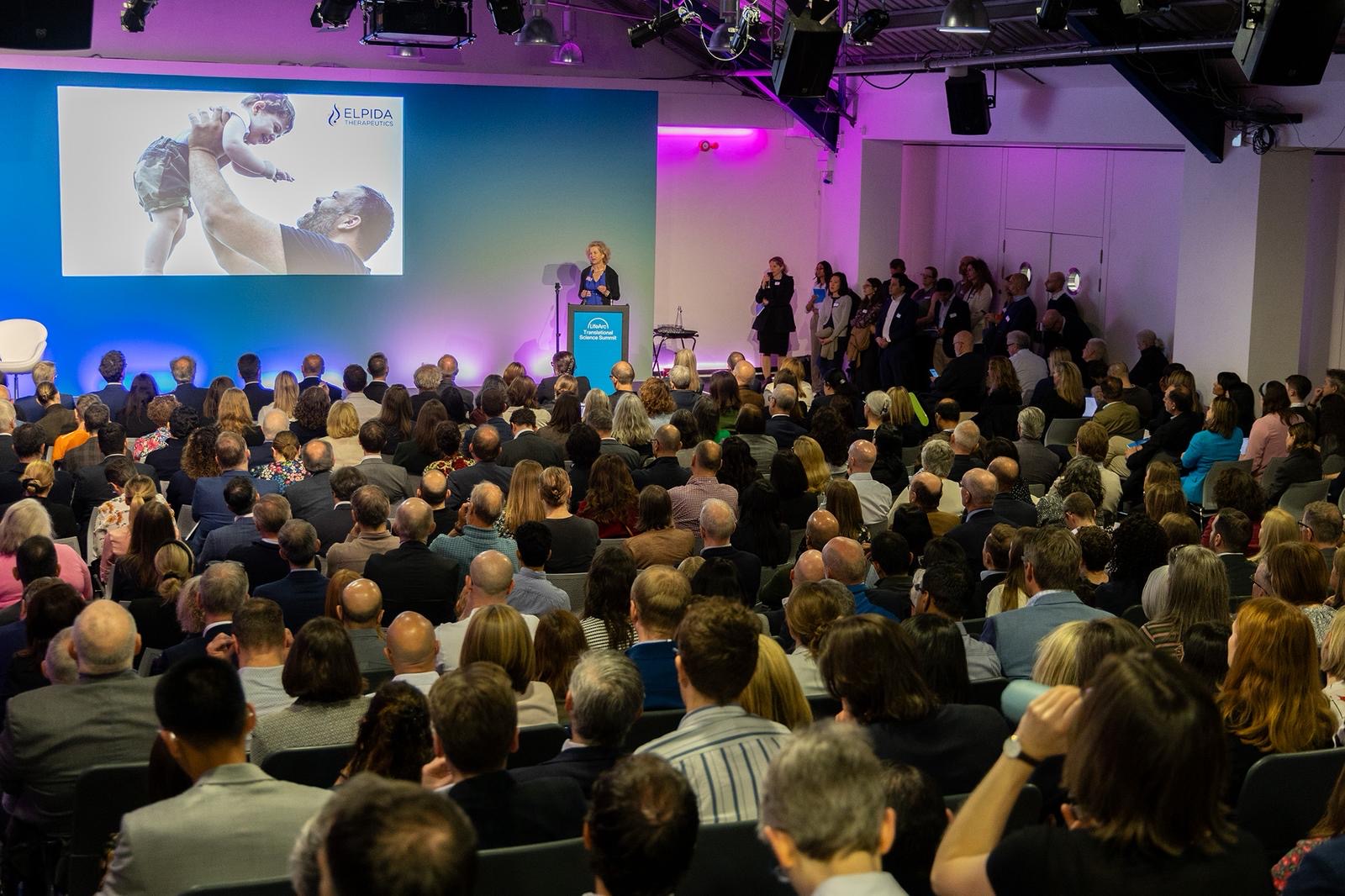
On 12 May, the LifeArc Translational Science Summit (LATSS) convened 700 stakeholders from research, healthcare, industry, investment, policy and the patient community to focus on one shared challenge: how to turn scientific discovery into real‑world benefit for patients, faster.
Across a full day of talks and discussion, a clear message emerged: while scientific progress continues at pace, delivering real-world impact requires new approaches to translation, collaboration and system design.
A programme focused on real-world impact
With 86 expert speakers and 44 sessions, the LATSS agenda reflected the breadth of challenges and opportunities across the translational pathway, from discovery through to patient access.
Across four thematic stages – shaping the future of life sciences, innovation in rare disease therapies, building the future biomedical landscape, and diagnostics, digital and data – sessions explored how scientific advances can translate into meaningful outcomes for people with unmet needs.
As Sam Barrell, Chief Executive Officer of LifeArc, highlighted in her opening address:
“Science is no longer the limiting factor. The system is. And the system is something we – together – have the power to redesign.”
This focus on system-level change was a consistent thread throughout the day.
Advancing innovation in rare disease therapies
Sessions across the innovation in rare disease therapies stage highlighted progress across a variety of approaches. These included RNA-based therapies for skin conditions, immunotherapies for neurodegenerative diseases, new approaches in target identification for childhood cancers, and cell and gene therapies for a range of rare diseases.
Discussions extended beyond the science itself to address the broader challenges that shape whether these innovations reach patients, including data infrastructure, policy frameworks and routes to commercialisation.
Bridging the gap from discovery to delivery
A central theme across the summit was the need to better connect early-stage discovery with downstream development and access.
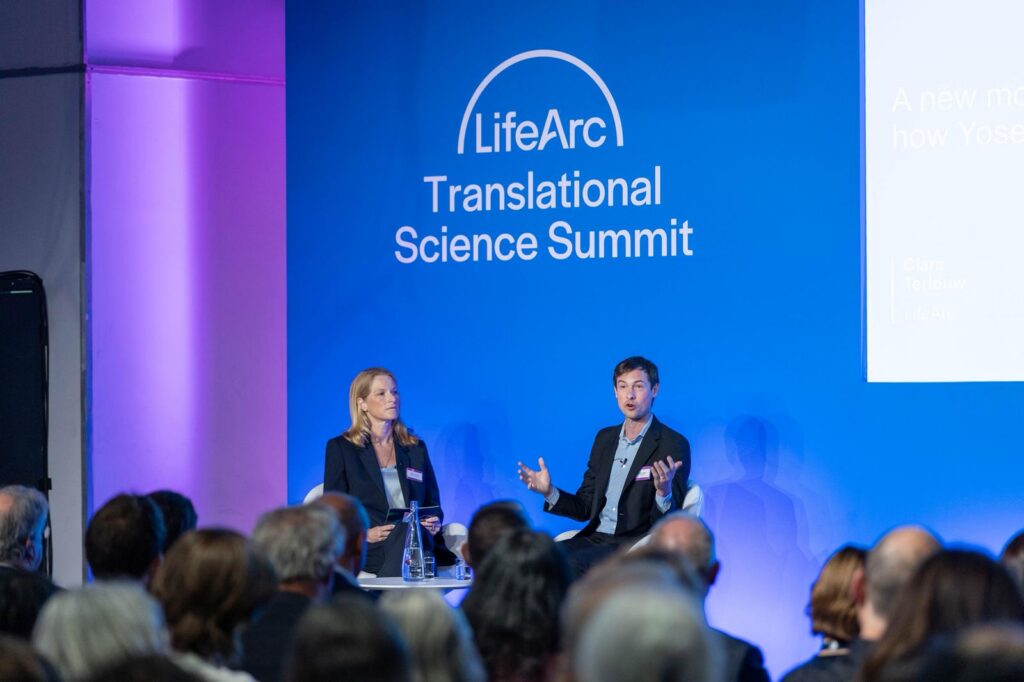
In his keynote, Reed Jobs, founder of oncology-focused venture capital firm Yosemite, set out the case for novel funding models that solve problems through commercialisation as well as academia. He highlighted the importance of bringing philanthropy earlier into the research pipeline to help de-risk scientific ideas, alongside combining grant funding with venture investment to accelerate promising therapies.
This hybrid approach was presented as a way to unlock more ambitious innovation and address persistent gaps between academic research and market-ready treatments. More broadly, it reflected a recognition that traditional models alone are not sufficient to support the scale and complexity of rare disease innovation.
Creating the conditions for access: policy and regulation
Alongside funding and commercialisation, policy and regulation were identified as critical enablers of translational success.
Lawrence Tallon, CEO of the Medicines and Healthcare products Regulatory Agency (MHRA), emphasised the importance of agile, proportionate and patient-centred regulatory approaches, supported by close collaboration between regulators, researchers, charities and industry.
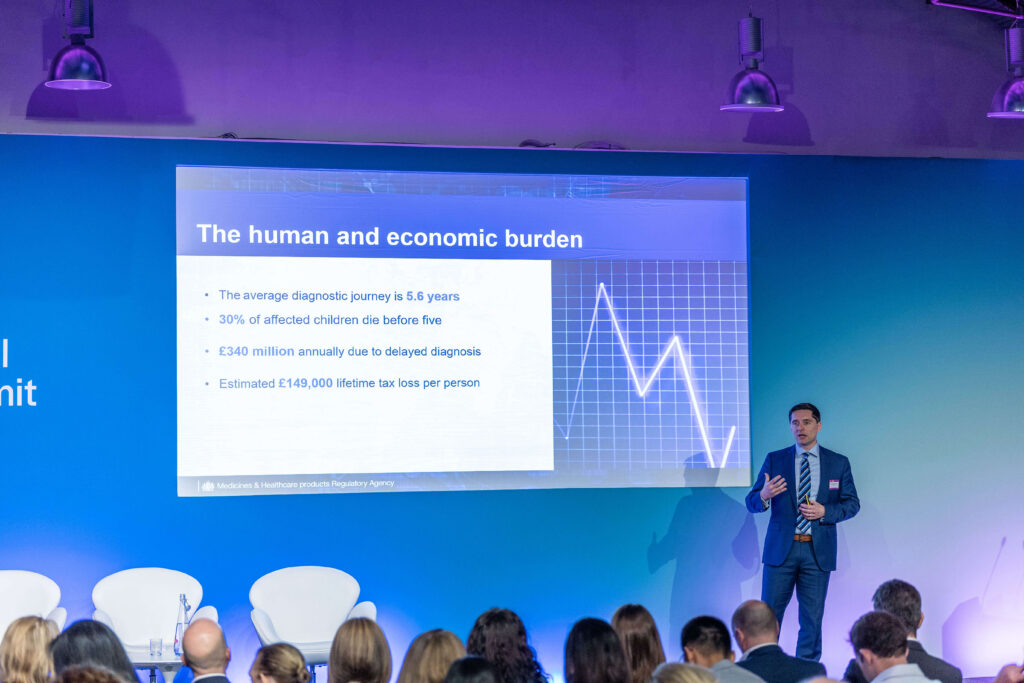
Matthew Durdy, Chief Executive of the Cell and Gene Therapy Catapult, also highlighted the importance of capturing the wider societal and economic value of innovation when shaping future policy.
“The question is no longer: how do we make rare disease fit existing pathways? The real question is: how do we build pathways that fit rare disease and ignite innovation for impact?”
Sam Barrell, CEO, LifeArc
Unlocking the potential of data and diagnostics
For rare diseases, where patient populations are inherently small, fragmented health data poses a significant challenge. Addressing this fragmentation and improving how data is shared and used was identified as a key priority.
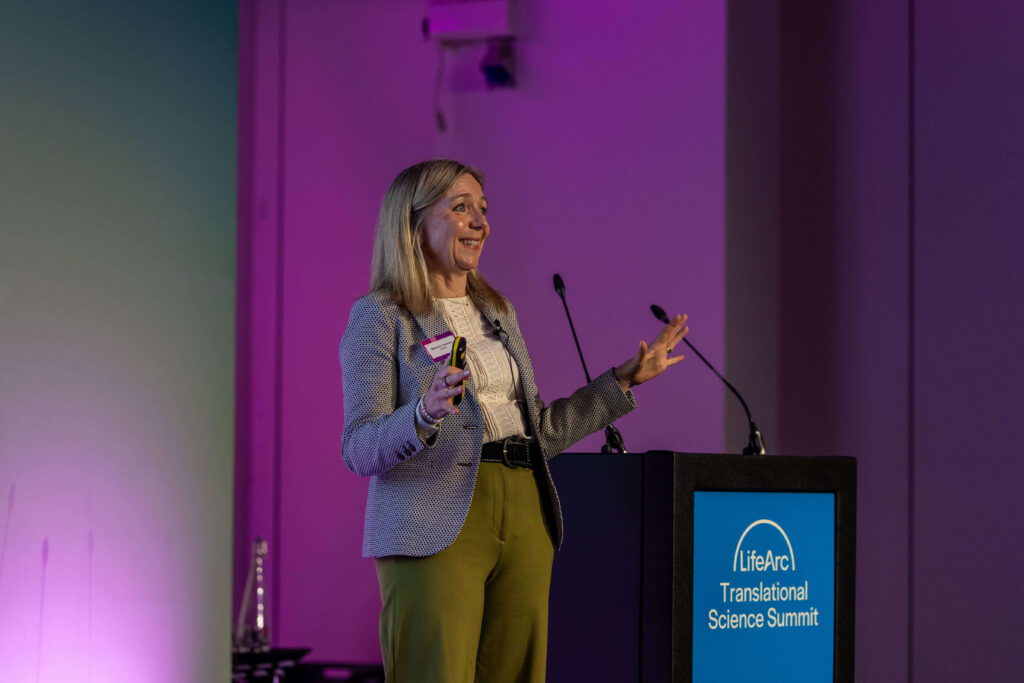
In her session, Melanie Ivarsson, Chief Executive Officer of the Health Data Research Service, outlined a vision for a UK-wide data infrastructure to support both fundamental research and clinical trial access, helping to overcome current barriers to progress.
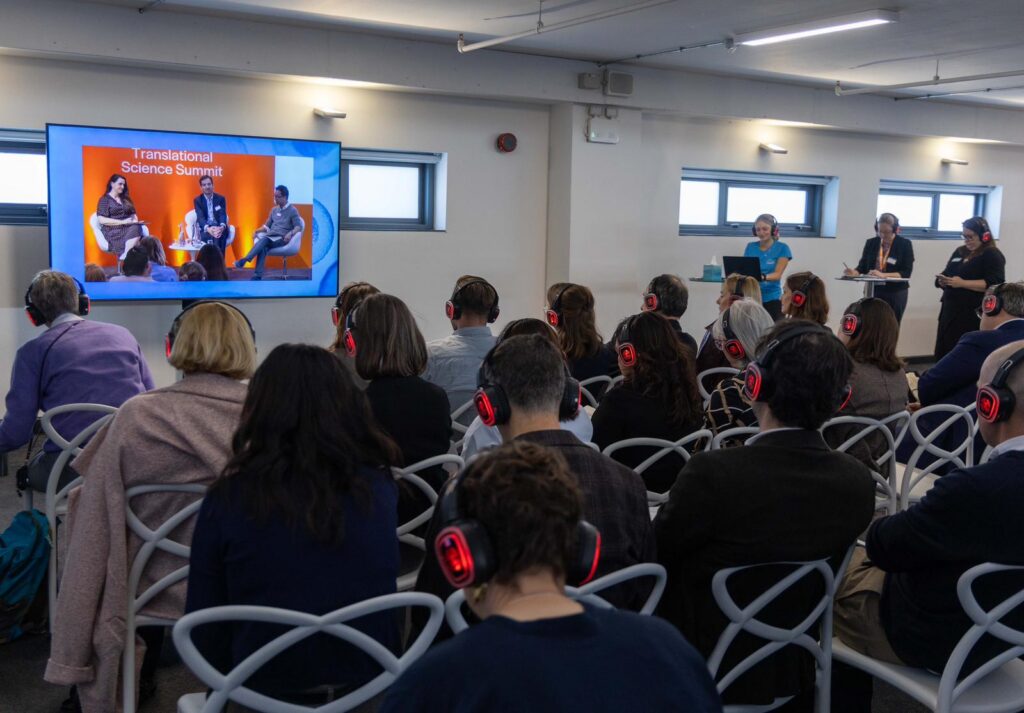
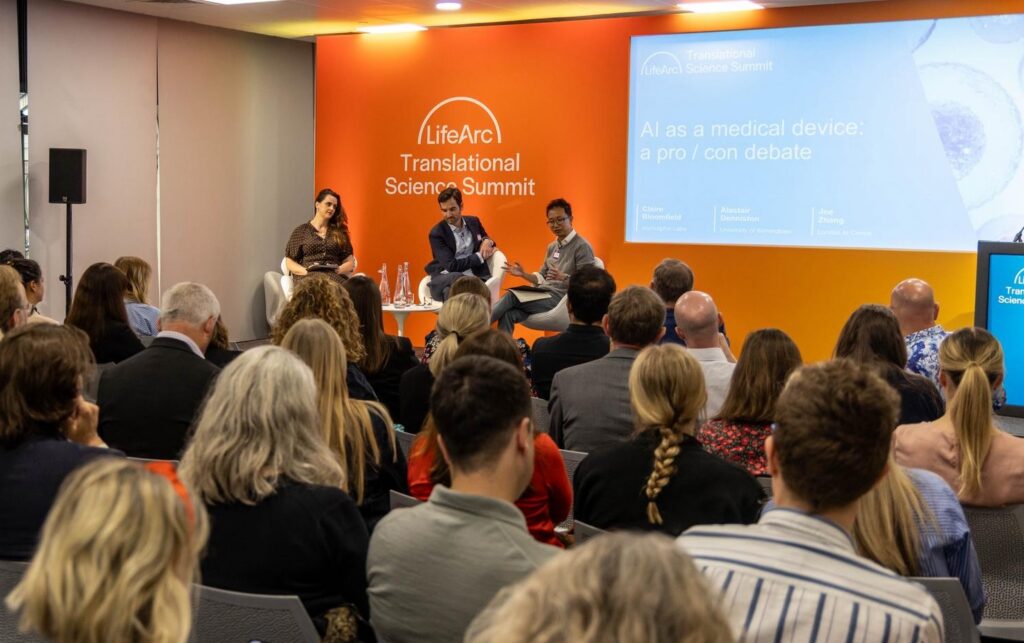
More broadly, advances in genomics, digital health and data science were highlighted as essential tools for enabling earlier and more accurate diagnosis, improving patient stratification and supporting the development of more targeted therapies. These themes were reflected in strong engagement from delegates, including in discussions on the role of AI as a medical device.
A powerful reminder of what is at stake
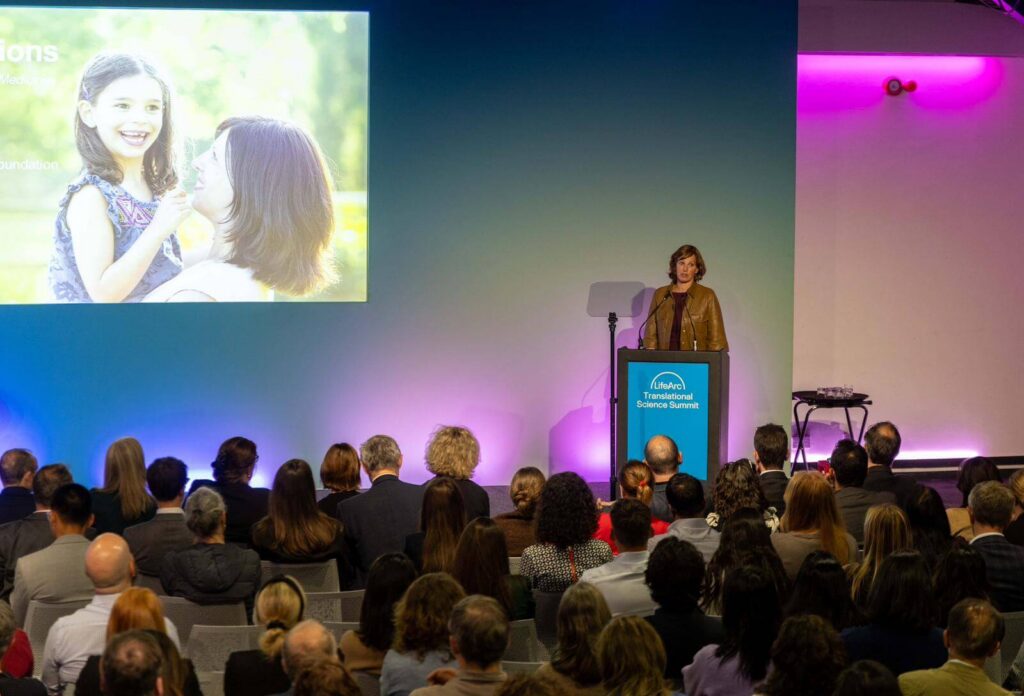
The closing keynote from Julia Vitarello, Founder of Mila’s Miracle Foundation, brought these themes into sharp focus.
Julia captivated the audience with the story of her daughter, Mila, the first person to receive a therapy designed for a single individual. She highlighted both the extraordinary potential of personalised medicine and the limitations of systems designed for larger populations.
Her message was clear: the science is already here, but without the right translational and regulatory pathways, too many people living with rare diseases will not get the treatment they need.
If we succeed children with genetic diseases will be found at birth, treated soon after with a highly precise personalised medicine, and their families need never know what life with disease looks like.”
Julia Vitarello, Founder of Mila’s Miracle Foundation
Realising the full potential of the advances highlighted at LATSS will depend on the collective ability to rethink how innovation is funded, developed and delivered. By bringing together diverse expertise and focusing on practical solutions, the summit continues to play an important role in driving this ambition forward.
Recordings from the summit will be made available soon.
Learn more about our work to turn scientific discovery into real-world impact: https://www.lifearc.org/work-with-us/funding-and-partnerships/