Children and young people diagnosed with aggressive cancers could benefit from potential new treatments from two pioneering projects led by United Kingdom (UK) and United States (US) researchers.
C-Further has partnered with investigators at UVA Comprehensive Cancer Center, Dana-Farber Cancer Institute and Mass General Brigham to advance the drug, CF-012, for the potential treatment of Ewing sarcoma, a rare and aggressive type of bone cancer.
In parallel, the consortium has partnered with investigators at MiNK Therapeutics and the University of Southampton to advance the drug, CF-033, for the potential treatment of multiple children’s cancers, including bone sarcoma, medulloblastoma, a type of brain tumour, and acute myeloid leukaemia.
These projects are among the first to be selected by ‘C-Further’ – a consortium which aims to rapidly transform innovative ideas into more effective and less toxic treatments for children and young people with cancer. This new initiative is enabled by us at LifeArc, alongside Cancer Research UK’s innovation arm, Cancer Research Horizons, and Great Ormond Street Hospital Charity (GOSH Charity).
“Thousands of children are diagnosed every year with a rare disease, and the vast majority currently have little hope of a treatment, let alone a cure. Key to changing this stark reality is harnessing the comprehensive data we have in our amazing NHS hospitals to turbocharge research and position the UK as a global leader in rare disease research and care. We need to act today to transform the system for the millions of people living with a rare disease.”
Lone Friis, PhD, C-Further Programme Co-lead from LifeArc
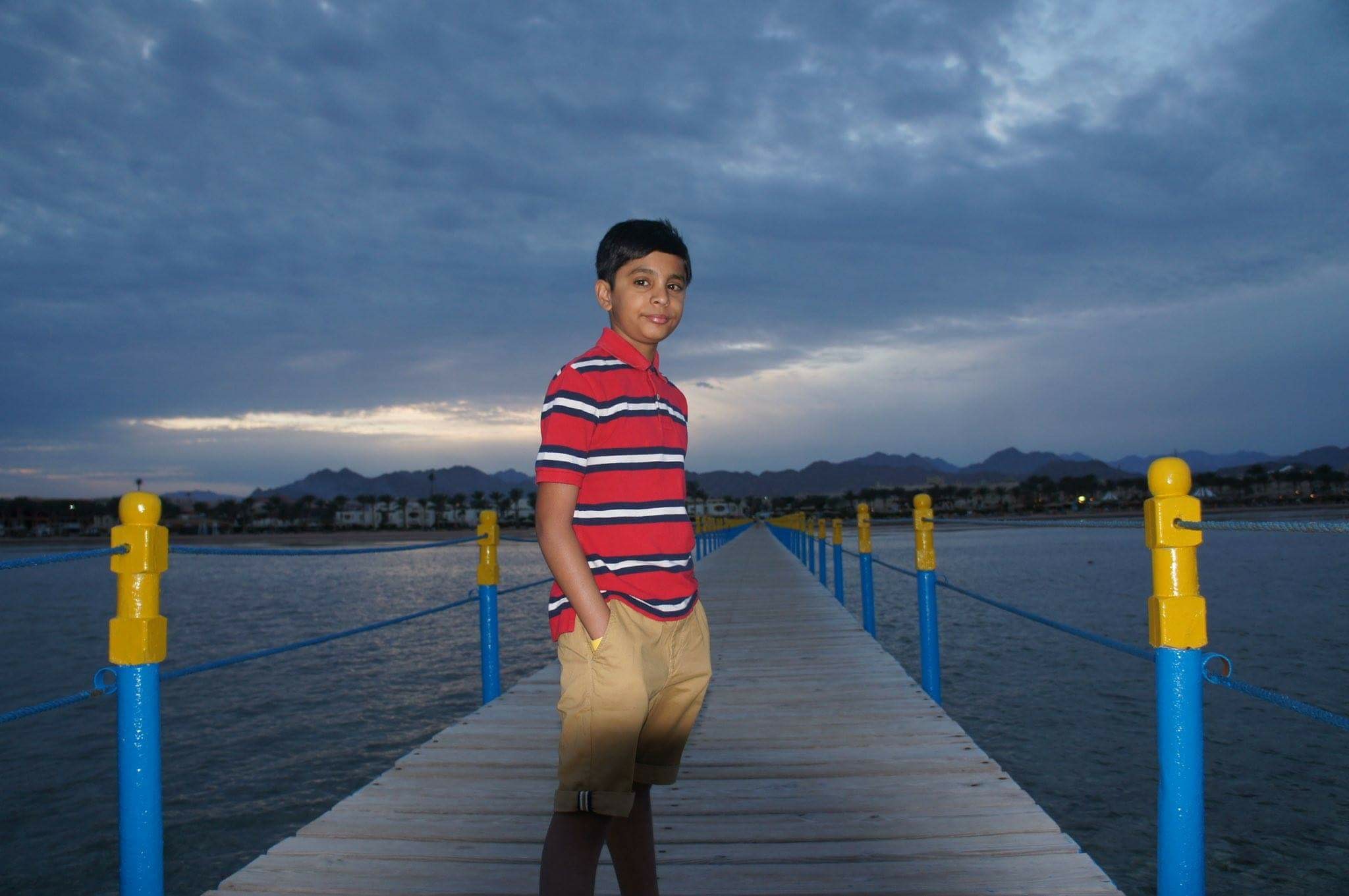
Harry was diagnosed with Ewing sarcoma, a rare form of bone cancer, in March 2023, when he was six years old. Harry’s mum, Lyndsay, welcomed the new research into Ewing sarcoma, saying, “It’s definitely important to develop kinder cancer treatments for kids – to make the side effects easier to deal with, to make them less vulnerable to infections, and to reduce the long-term impact on the kidneys and the heart.
“Harry had 14 cycles of chemotherapy at GOSH and five-and-a-half weeks of proton beam therapy at UCLH. I remember they said that one of the chemo drugs could have an effect on his heart and that was quite scary. Harry was a superhero and managed really well with the hair loss and the tiredness. It took a long time for Harry to recover from treatment.
“He slowly started building his strength back up by playing football and his other favourite sports, basketball and golf. Harry is now nine and doing really well. He’s still really into football and has recently joined a new team. He’s a massive Tottenham Hotspur fan!”
“We were delighted to have been selected by C-Further, allowing us to accelerate a new type of immunotherapy for children and young people with cancers that urgently need better treatment options. By combining engineered immune cells with cutting-edge translational research in Southampton, we aim to develop therapies that are both more effective and far less toxic than current approaches.”
Dr Mansour, Associate Professor of Immunology at the University of Southampton and co-lead investigator
C‑Further welcomes expressions of interest from researchers, innovators and partners who share its mission to accelerate better treatments for children and young people with cancer. The deadline to be considered for the next round of submissions is 13 March 2026.
To learn more about ongoing work or to explore partnering opportunities, visit the C-Further website.
Media contact
Andrew Stewart
Director of Communications