CognoMND: Improving access to cognitive screening in motor neuron disease
We’ve partnered with the University of Sheffield to fund CognoMND, an online tool using speech analytics and machine learning to help identify cognitive and behavioural changes in people living with motor neuron disease (MND).

Overview
We’re funding a three-year project to develop and evaluate CognoMND, an automated, speech-based tool to remotely triage people with motor neuron disease for further cognitive assessment. By helping clinicians detect cognitive and behavioural changes earlier, CognoMND will support better care planning and improve access to clinical trials.
About CognoMND
CognoMND aims to meet a well-recognised unmet need in MND for a simple and effective clinical cognitive assessment tool. Patients interact with an avatar via a computer, tablet or phone, and the system analyses their responses to predict whether they should be referred for further in-depth assessment.
The tool is being adapted from CognoSpeak, a technology originally developed to help GPs assess dementia risk.
The three-year project aims to:
- co-design two prototypes with people living with MND and their caregivers
- conduct a small-scale clinical evaluation to assess feasibility, acceptability and performance compared to the current gold standard – the Edinburgh Cognitive and Behavioural ALS Screen (ECAS)
- begin work on commercialisation, including a regulatory approval plan and NHS adoption strategy with an industry partner
CognoMND could have a significant impact on both patients and the wider healthcare system. For individuals with MND, it could help inform care management, end-of-life planning and participation in clinical trials based on their cognitive profile. For the NHS, it could support more efficient triaging and help shape future services and support.
About motor neuron disease
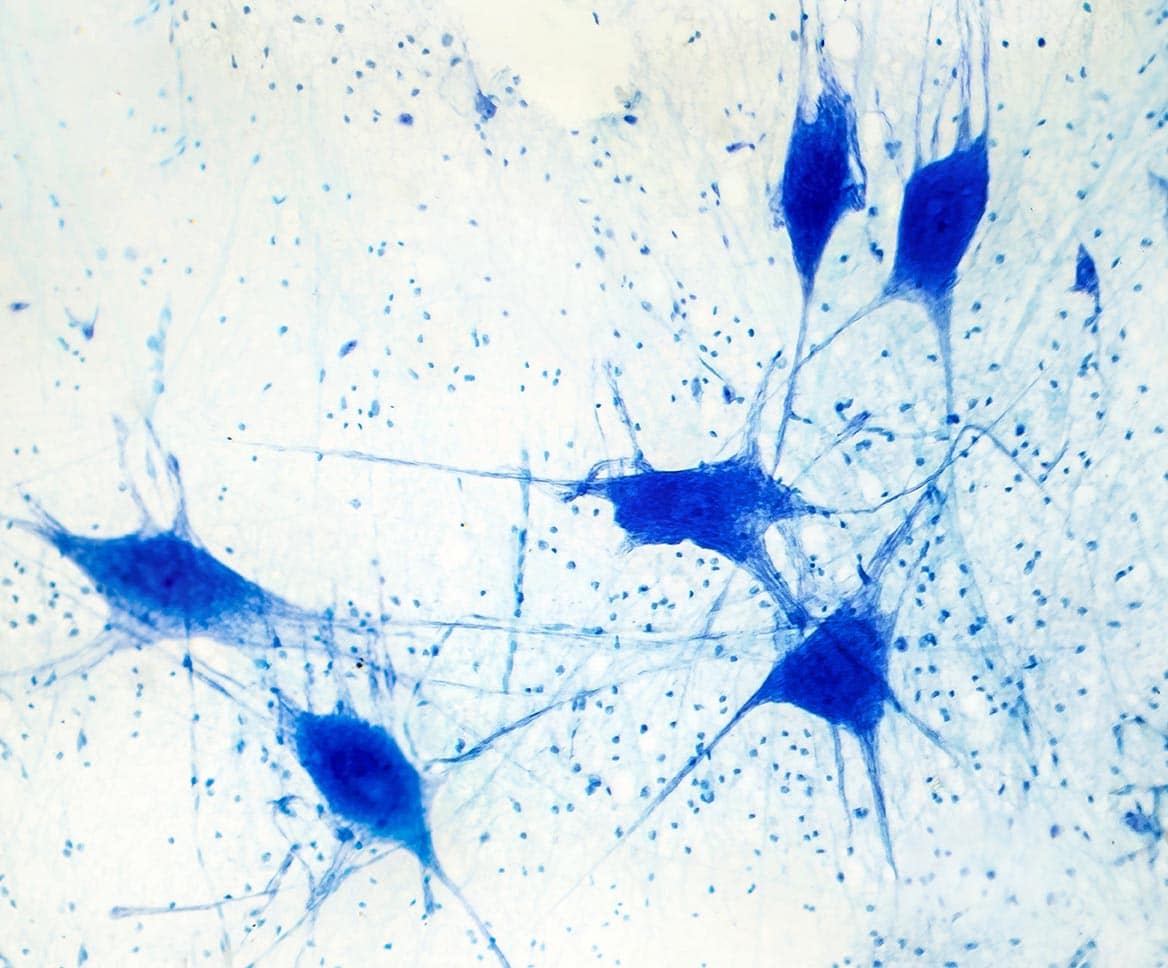
MND is a devastating, progressive neurological condition caused by damage to motor neurons in the brain and spinal cord. This damage leads to progressive muscle weakness, affecting movement, speech, swallowing, and breathing.
While physical symptoms are well recognised, cognitive and behavioural changes, such as memory loss, difficulty concentrating, or changes in personality, are often missed or under-assessed. Most people diagnosed with MND pass away within three to five years, and there are currently very few treatment options and no cure.
Contact us
In submitting your personal data via this form, you consent to being contacted via the details provided so that your enquiry can be responded to. If you would like your data to be removed, please email dataprivacy@lifearc.org.
Please see our Privacy Policy in relation to the personal data you submit to us through this page.