We’re funding a major new study, alongside Alzheimer’s Research UK and The Michael J. Fox Foundation, that will analyse more than 80,000 blood samples to look for biological clues that could help researchers better understand Parkinson’s, Alzheimer’s and rare dementias.
Researchers will be able to examine the levels of at hundreds of proteins found in blood and combine this information with the wealth of health data already collected by UK Biobank, one of the world’s largest biomedical research resources. The aim is to uncover patterns that could help scientists better understand the differences between these diseases and potentially identify new ways to diagnose, study and treat them.
The study could be particularly valuable for rare dementias, including frontotemporal dementia (FTD), progressive supranuclear palsy (PSP) and corticobasal syndrome (CBS). These conditions can cause similar symptoms, making them difficult to distinguish from one another and from other neurological conditions.
We will also contribute scientific expertise to the study, exploring whether combining information from brain imaging, biological markers and health records could reveal patterns that could help early and more accurate detection of rare dementias.
Sam Barrell, Chief Executive Officer at LifeArc, said: “Rare dementias can be particularly difficult to diagnose, with symptoms that overlap with other conditions and clues that may only become clear when different kinds of health data are brought together. By combining large-scale protein measurements with UK Biobank’s extensive health data, this study will give researchers a valuable resource to investigate the biological changes behind neurodegenerative diseases, including rare dementias. This could help build a better understanding of these conditions and lay the groundwork for more accurate diagnosis in the future.”
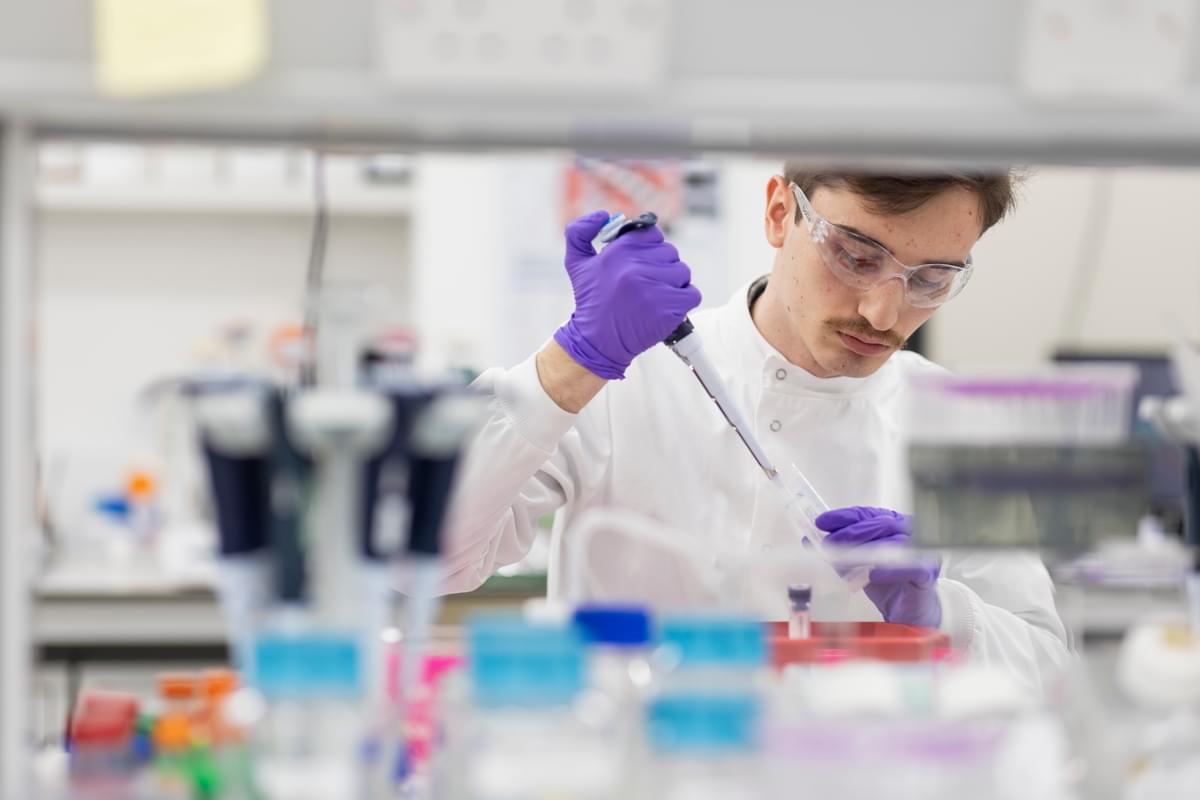
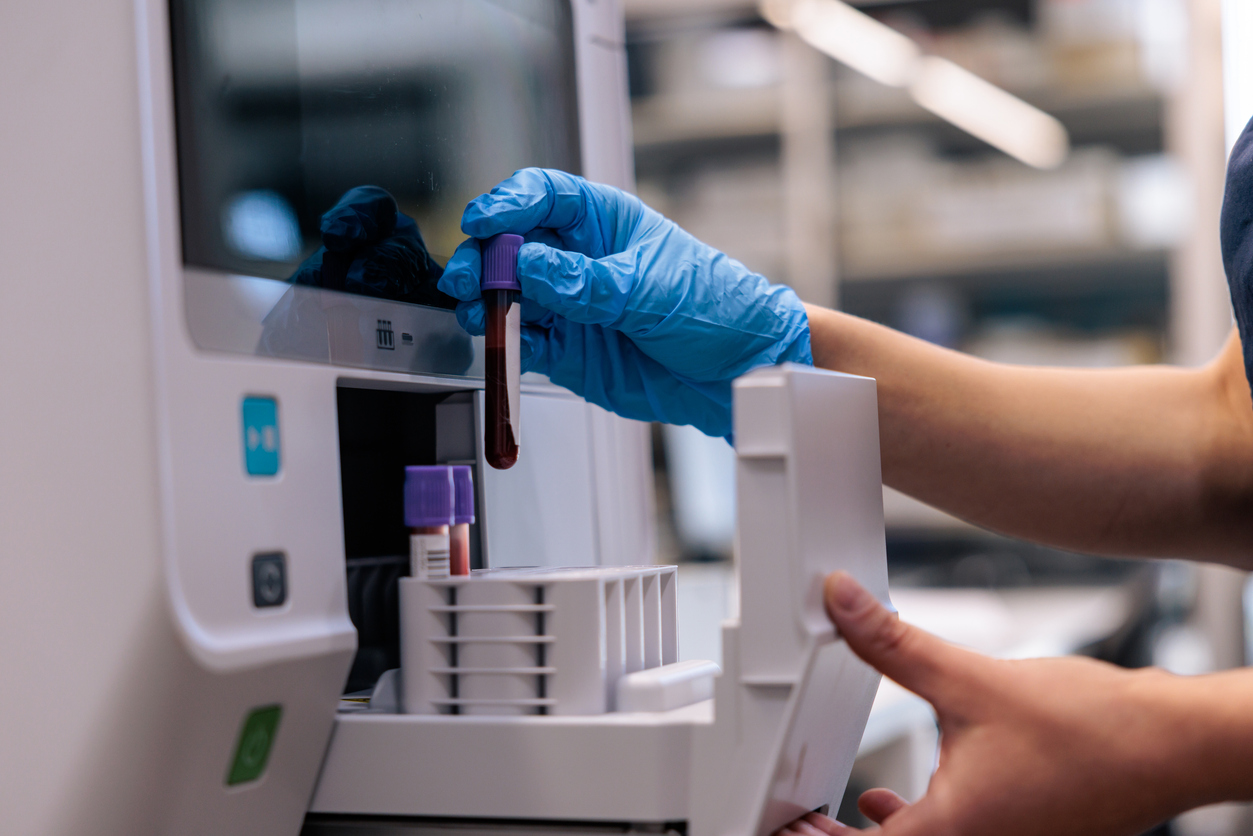
The project will create a major new source of data for researchers studying neurodegenerative diseases. More than 80,000 UK Biobank samples will be securely analysed by Nightingale Health using Alamar Biosciences’ NULISA platform, measuring 220 proteins linked to neurological conditions.
Once the resulting data are available through UK Biobank, approved researchers will be able to use them alongside existing genetic, imaging and health information to investigate neurodegenerative diseases, potential biomarkers and new research questions.
Dr. Sheona Scales, director of research at Alzheimer’s Research UK, added: “The scale of this study, combined with the cutting-edge technologies being used, has the potential to transform our understanding of how dementia starts and progresses. Understanding the biological changes that underpin Alzheimer’s disease is essential to developing treatments that can slow or stop its progression. We’re excited by the potential of this study to pave the way for earlier diagnosis and more effective treatments.”
The analysis of more than 80,000 UK Biobank samples will be carried out in Nightingale Health’s laboratories using Alamar Biosciences’ NULISA platform to profile the 220 proteins.
The resulting dataset is intended to be made securely available to approved researchers through the UK Biobank Research Analysis Platform, allowing scientists to use the data alongside the resource’s existing information to investigate new questions about neurodegenerative disease.
Media contact
Hannah Perlin
Senior Manager, PR & Media