Hunter syndrome: A clinical trial to test pioneering gene therapy
We’re co-funding a first-in-human clinical trial with the University of Manchester to explore whether a one-off stem cell gene therapy can safely treat Hunter syndrome, a devastating rare paediatric disease.

Overview
Mucopolysaccharidosis type II (MPSII, Hunter syndrome) is a rare, X-linked condition that causes progressive damage to the body and brain.
Children with Hunter syndrome are missing a working enzyme called iduronate-2-sulfatase (IDS), which is needed to break down sugar chains in the body. Without this enzyme, sugars build up and damage organs.
Currently, the only treatment for MPSII approved in the UK is enzyme replacement therapy, which is costly, requires lifelong infusions and cannot cross the blood-brain barrier to treat neurological symptoms. We’re co-funding a pioneering clinical trial to test whether a single treatment with a gene therapy can correct the underlying genetic fault, enabling the body to make the missing enzyme long-term to potentially transform the outlook for children living with this disease.
Early signs of success
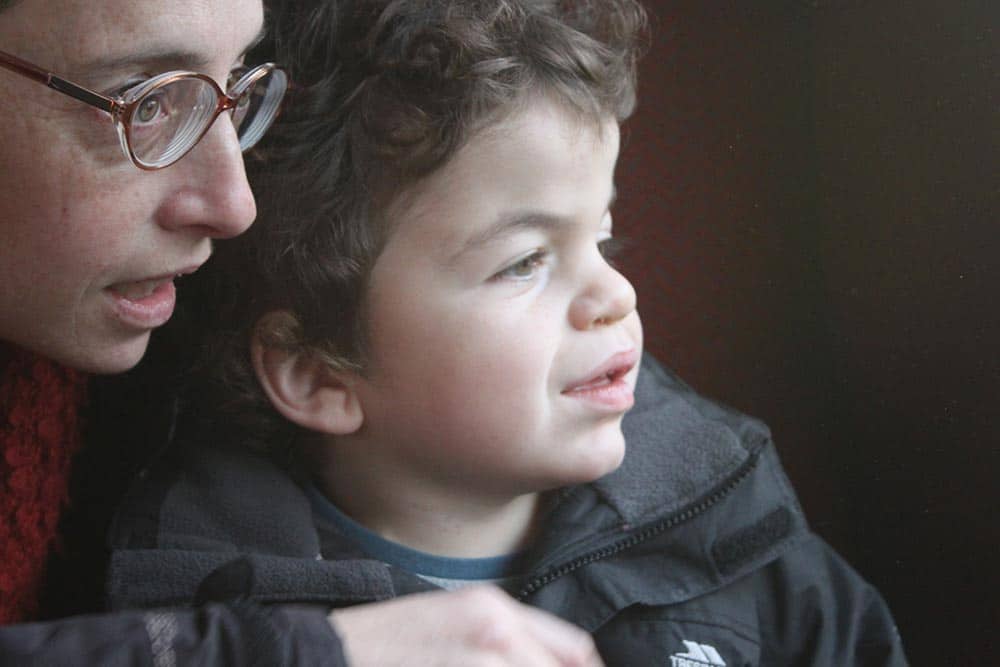
In February 2025, Oliver Chu was the first patient to receive the treatment and since then he has astounded doctors with his progress. Oliver’s Dad Ricky said: “Ollie is doing great since having the gene therapy. We have seen dramatic improvements, and he continues to grow physically and cognitively. We’re excited for Ollie’s future. Seeing the difference for Ollie pre-and post-transplant has made us believers.”
About the trial
This Phase I/II study is being delivered at Royal Manchester Children’s Hospital, part of Manchester University NHS Foundation Trust. The trial aims to recruit 5 boys aged 3 to 22 months with neuronopathic Hunter syndrome.
The treatment works by:
- collecting stem cells – haematopoietic stem cells are harvested from the child’s blood
- adding the working gene – the patient’s cells are sent to Great Ormond Street Hospital (GOSH), where a working copy of the IDS gene is inserted into the stem cells using a lentiviral vector and tagged so the enzyme it produces can cross the blood–brain barrier
- reinfusing the modified cells – the genetically engineered stem cells are infused back into the child to repopulate the bone marrow
- producing the missing enzyme – once in the bone marrow, these cells produce white blood cells that make the IDS enzyme and deliver it throughout the body, including the brain, helping to break down harmful sugars
Patients will be monitored for 2 years to assess safety and effectiveness, with long-term follow-ups for at least 15 years. If successful, this approach could offer a lifelong solution compared to current treatments, which require regular infusions and cannot address brain symptoms.
The trial is being run in collaboration with the Manchester Centre for Genomic Medicine and Great Ormond Street Hospital (GOSH). We also provided funding to support preclinical research led by the University of Manchester team, focused on improving how the IDS enzyme crosses the blood–brain barrier for future therapies. This funding was provided as part of our partnership with Action Medical Research.
About Hunter syndrome
Hunter syndrome is a rare genetic condition affecting 1 in 100,000 male births worldwide. It causes progressive damage to the brain, heart, lungs, bones, and other organs. Children with severe forms of the disease experience developmental delays, behavioural challenges, and physical problems. Current treatments can ease some symptoms but do not prevent brain damage. There is an urgent need for new therapies that can change the course of this devastating condition.