

Chronic respiratory conditions such as asthma, COPD, bronchiectasis, and interstitial lung disease are a group of rare and common conditions that together affect millions of people across the UK and result in huge costs to the NHS.
Despite their high prevalence, these conditions remain underserved with many patients going undiagnosed or receiving a diagnosis late. Increased innovation, research and funding could transform outcomes by improving diagnosis, supporting better management, and reducing the need for hospital care through access to new treatments and health technologies.
At LifeArc, we are committed to supporting research that improves how diseases are detected and managed especially when it comes to areas of unmet need. That’s why we’re proud to be funding the HERON project, a national initiative led by the NIHR Health Research Collaboration for Community Health and Care (Oxford HRC).
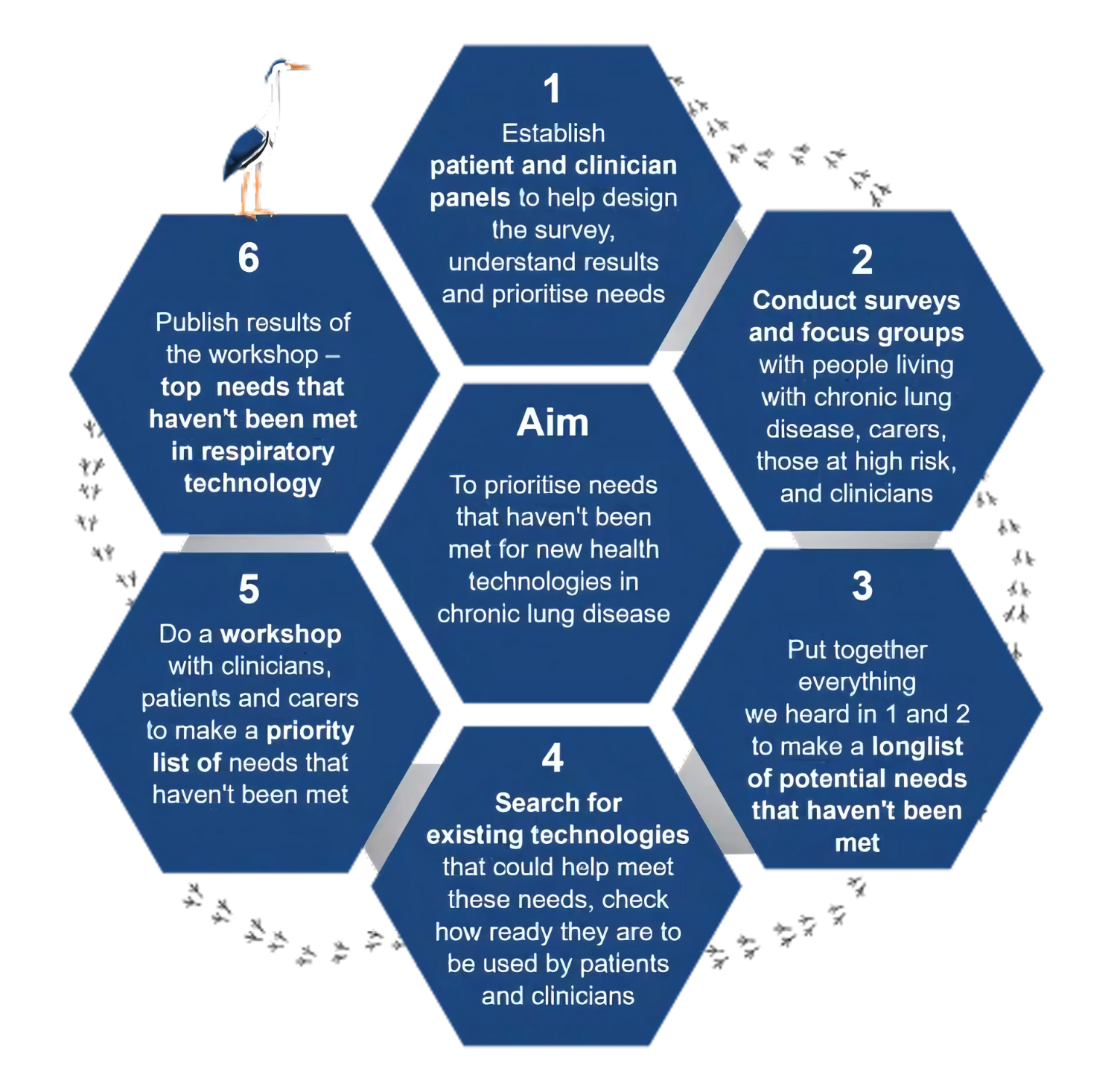
HERON (Health Technology for Chronic Respiratory Disease: Exploring and Mapping Unmet Needs) is a groundbreaking study designed to uncover and better understand the challenges faced by people living with or at risk of chronic lung conditions, their carers, and the professionals who support them and what HealthTech would best address their needs.
What is HERON aiming to do?
By including diverse voices from across the patient journey from screening to diagnosis, management to palliative care, HERON is building a holistic picture of the current landscape and where it falls short.
The goal of HERON is to map the key barriers to timely and accurate diagnosis of respiratory disease and ongoing management in primary and community care. This includes identifying gaps in current care pathways and understanding where innovation could make the biggest difference.
The project focuses on gathering first-hand insights from:
- People living with chronic lung conditions such as asthma, COPD, pulmonary fibrosis, and others
- People who believe they might be at risk due to factors like smoking, housing, or family history
- Carers supporting someone with a lung condition
- Health and care professionals working in respiratory care, from GPs and practice nurses to respiratory consultants, physiotherapists, pharmacists, and social care workers
Why is this important?
Respiratory diseases are a major cause of ill health and death in the UK, yet many people face delays in getting a diagnosis or receiving appropriate care. Inconsistent pathways between community and hospital-based services, lack of access to specialist input, and diagnostic uncertainty are just some of the issues HERON is seeking to address.
We know that better tools and support are needed for people living with or at risk of chronic respiratory conditions. New technologies such as digital tools, wearables, and new diagnostic tests are being developed, but to be effective, they need to address real-world challenges.
The HERON project aims to identify the most important unmet needs in chronic respiratory care and where innovation could help. We want to ensure that new technology makes a meaningful difference to patients, carers, and the professionals who support them.
Understanding these pain points is vital if we want to make meaningful progress in developing targeted solutions, including new technologies, that can support earlier detection, better monitoring, and improved outcomes for patients.
HERON also complements LifeArc’s ongoing work to develop Target Product Profiles (TPPs) in respiratory diagnostics, which also incorporates the experience of people living with chronic respiratory conditions and clinicians. These profiles aim to provide clear guidance for innovators and funders on what’s needed most. HERON strengthens this work by looking closely at the broader context of HealthTech needs beyond diagnostics.
How to get involved
HERON is currently running two national surveys one for patients/carers and one for health professionals. Both take around 15 minutes to complete and can be done online, with no technical knowledge required. The surveys are anonymous unless participants choose to share their contact details.
The surveys are open to:
- Anyone living with a chronic lung condition
- People who think they may be at risk of developing one
- Carers of people with chronic lung conditions
- Health and care professionals working across all care settings and disciplines, including GPs, nurses, respiratory specialists, pharmacists, physiotherapists, and more
If this sounds like you or someone you know, we encourage you to take part. Your insights will help shape the future of respiratory diagnosis and guide the development of technology that meets real-world needs.
Click the link to take part in our survey and help shape the future of lung health technology.