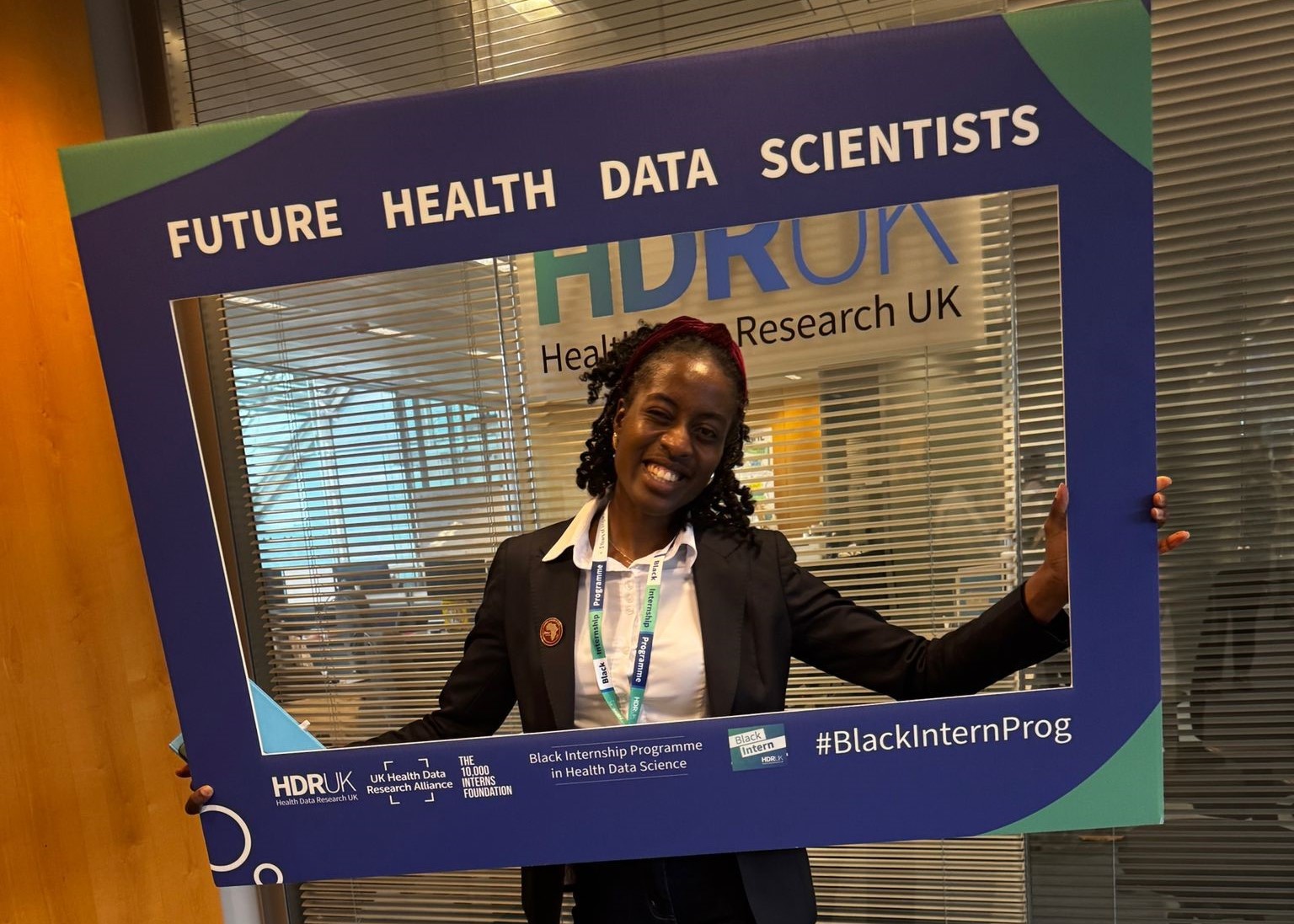
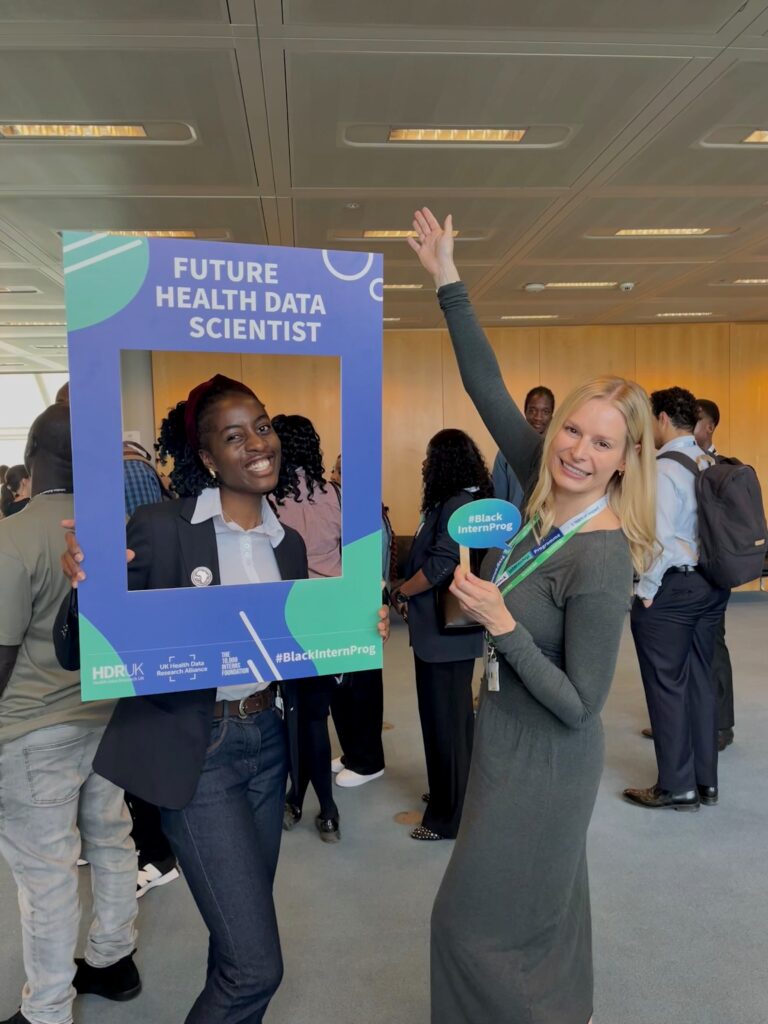
This July, as part of Health Data Research UK’s (HDR UK) Black Internship Programme, our data science team welcomed Varaidzo Mukwekwe for a 10-week internship. Aiming to tackle the underrepresentation of Black people within the health data science sector, this important programme allows university students at any level to gain experience working on a real-world data project.
During her internship, Varaidzo made valuable contributions to our data science team by analysing data sets from the TIME study (TB DIagnosis and Monitoring Evaluation), which concluded in 2024. As our first sponsored clinical study, TIME aimed to assess the accuracy and clinical benefit of the TB-MBLA assay, which we co-developed with the University of St Andrews, for diagnosing and monitoring pulmonary tuberculosis.
In this blog, Varaidzo reflects on how antimicrobial resistance impacted her family’s livelihood and health, and how these experiences inspired her path into health data science and led her to the HDR UK Black Internship Programme.
Diagnosing the gaps: The drive behind my data science journey
I come from a family of predominantly smallholder farmers based in rural areas dotted across Mashonaland East and Manicaland provinces of Zimbabwe. My parents were excellent students and were encouraged to join the civil service as high school teachers, which meant relocating to the capital city. Although I was raised in an urban setting in pursuit of better schools, our livelihood was still rooted in barter trading our agricultural products.
From the farm records, I noticed that undiagnosed grain infestations, caused by pathogens resistant to pesticides and antimicrobials, were significantly reducing our post-harvest yields. Motivated to improve crop yields, conserve plant genetics, and strengthen diagnostics for seedborne and zoonotic diseases, I pursued a B.Tech in biotechnology.
To keep everyone in school, we had to quadruple our farming efforts as climate change made it harder to sustain our livelihood.
Many of my relatives turned to tobacco farming and mining in remote towns. When they fell ill with malaria, urinary infections, or chronic respiratory conditions, they came to the city for better healthcare. However, their hospital stays began to grow longer, available antibiotics never seemed to work, and those who had underlying comorbidities like diabetes or hypertension suffered from worse outcomes, including death. Unfortunately, this included my grandfather, aunt and 4 uncles.
In nearly all cases, resistant pathogens and the elevated risks linked to agricultural and mining work weren’t recognised until it was too late. Despite many local families sharing the same concerns, fragmented health systems meant there was no quality evidence to connect the dots.
I was also a victim of the negative effects of a late diagnosis of a resistant E. Coli pathogen.
From childhood to adolescence, I suffered from atopic dermatitis with recurrent infections and endured years of unexplained fevers and respiratory distress. Unfortunately, this also meant I faced a lot of stigma. During my eczema flare-ups, some parents warned their children to stay away from me, and I couldn’t join sports teams or apply to certain schools.
Primary health facilities in the local area were almost always overwhelmed, and I was told that my symptoms were just a combination of food and environmental allergies predisposing me to opportunistic infections. Fortunately, I benefited from research into rare disease diagnostics and environmental exposures conducted at a national centre of excellence.
When people see me now, they see a walking miracle. Comparing my experience to that of my family, I’ve seen firsthand the difference that quality and timely diagnostics of rare and infectious diseases can make in reducing out-of-pocket expenditure, preventing deterioration, improving transmission-based precautions, lowering morbidity, clearing misconceptions, and preventing broader challenges such as the mental health of patient carers.
Turning frustration into focus: Why I chose the HDR UK Internship
After my undergraduate degree, I received scholarships to complete two master’s degrees: one in Public Health and another in Epidemiology, specialising in infectious diseases and antimicrobial resistance. I now work as a Universal Health Coverage implementation researcher.
During my extensive public health fieldwork, I’ve seen how a lack of data science expertise, poor data integration and siloed approaches have hindered effective diagnostics stewardship and policy-making for global health threats like AMR.
Frustrated by slow progress despite the widespread recognition of these issues, I saw the HDR UK Internship as a chance to gain the mentorship, technical training, and public engagement skills needed to help drive real solutions.
Learning from leaders: My experience at LifeArc
Being placed at LifeArc was the most perfect alignment ever in my career, offering me the chance to explore evidence-based policies and understand the barriers to implementation.
The hands-on experience that I got at LifeArc working on the TIME study showed me how diagnostics and data science can be combined to provide tools that shape research and improve patient outcomes.
I also had the opportunity to meet senior data scientists who had worked on projects that I used to see in headlines, including PACE and the Antibiotic Stewardship Programme through Innovation, Research, and Education (ASPIRE).
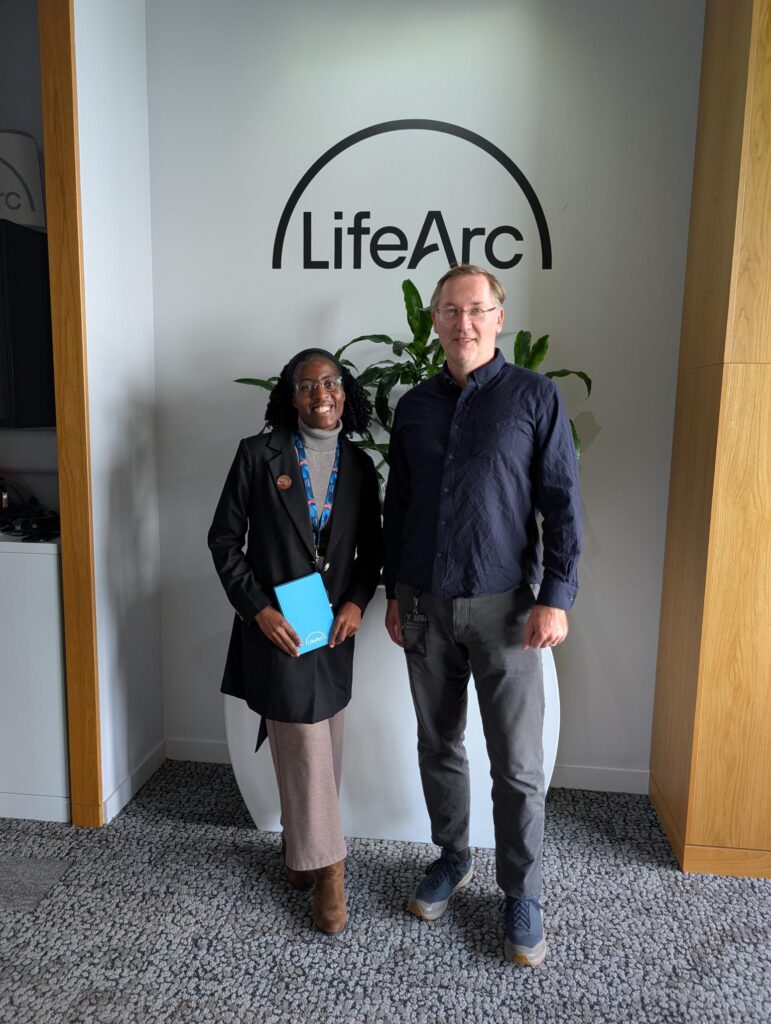
LifeArc’s organisational culture is one that embraces diversity, not only in ethnicity, but in skills, perspectives and approaches.”
Overall, what I cherished most was the panoramic view of how biotechnology, public health, and epidemiology can be connected through data science, and how evidence can move directly from the lab bench to bedside to community.
I am grateful for the support, guidance, encouragement and mentorship I received at LifeArc and to HDR UK for this transformative internship opportunity. Now, I aim to apply the technical skills gained at LifeArc to implementation research.
Looking ahead, I hope to strengthen existing health training institutions and research hubs in Sub-Saharan Africa and South Asia-Pacific by working with others to embed clinical data science as a practical skillset.
About the author
Varaidzo Mukwekwe
Data Science Intern